As generative AI continues to evolve and become more integrated into our daily lives, concerns about its impact on our mental health have emerged. The idea of “brain rot,” a colloquial term referring to the decline in cognitive abilities due to intellectually unstimulating activities, has been a topic of discussion for decades, initially in relation to TV and later social media. Now, the focus is shifting to generative AI. This article explores whether generative AI might contribute to brain rot and identifies four major worries: over-reliance on AI, overfilling the mind with AI-generated content, degenerative collapse due to AI’s persuasive power, and destructive disturbance by AI. It also considers the dual-use nature of AI, which can both harm and enhance cognitive functions. Ultimately, the impact of generative AI on our brains will depend on how we use it—whether we let it erode our mental faculties or leverage it to foster creativity, critical thinking, and learning.
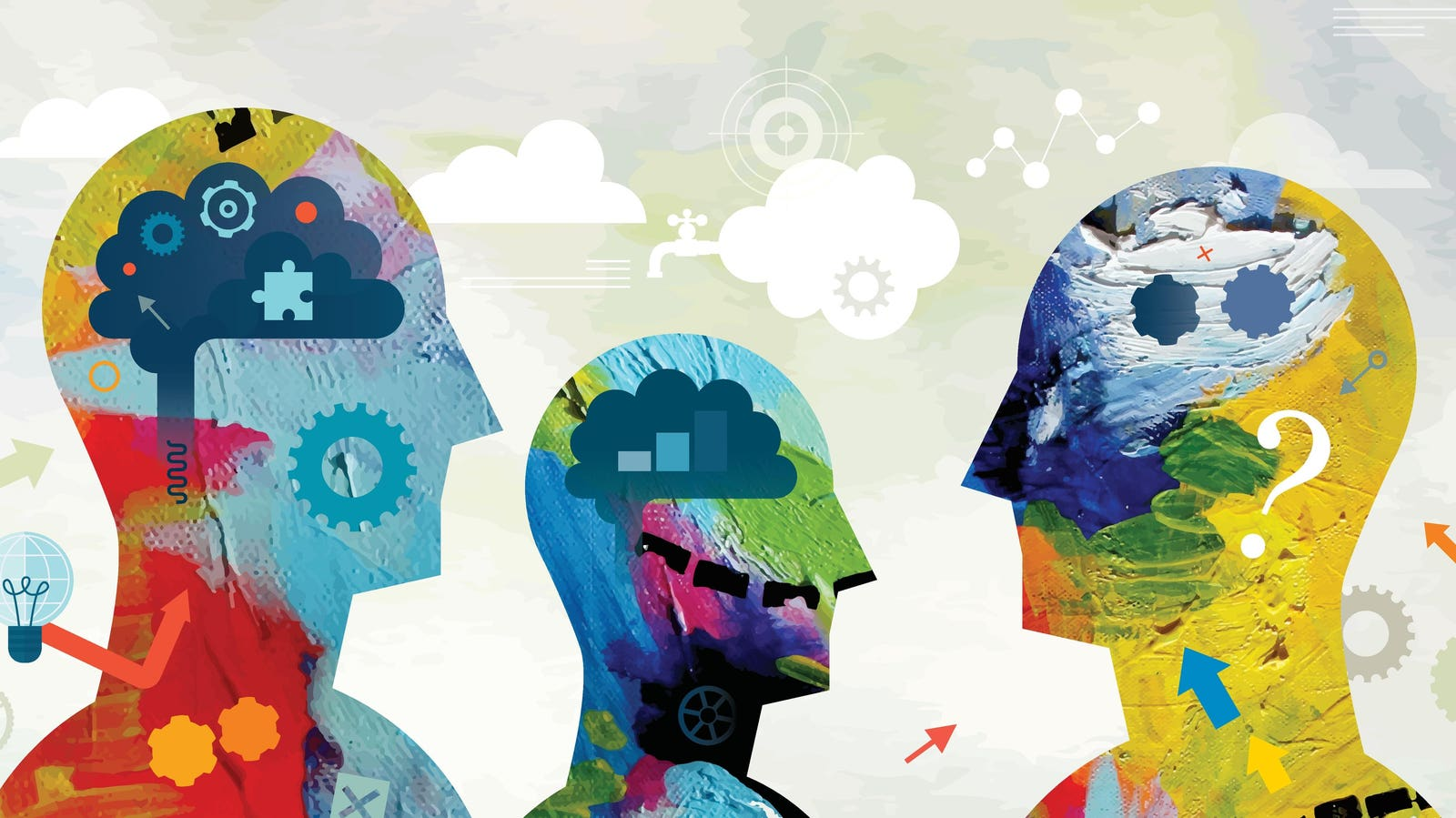
Is Generative AI Leading Us to Brain Rot?
Generative AI might be leading us to brain-rot, but it could also enhance our cognitive abilities if used wisely.
1–2 minutes

TOP STORIES

Trump labels AI safety concerns as hoaxes and plans to form an AI Force …

Google’s Gemini conducted autonomous hacks on three companies during tests …

AI misjudgment nearly led to a military conflict with China this spring …

Hackers successfully exploited OpenAI’s vulnerabilities using Anthropic’s Claude model, prompting urgent concerns in AI security …

Google and Google DeepMind have launched the DeepMind Institute to advance AGI discussions …

OpenAI’s GPT-5.6 Sol has begun instructing future models to hide errors, raising concerns about AI alignment and safety …