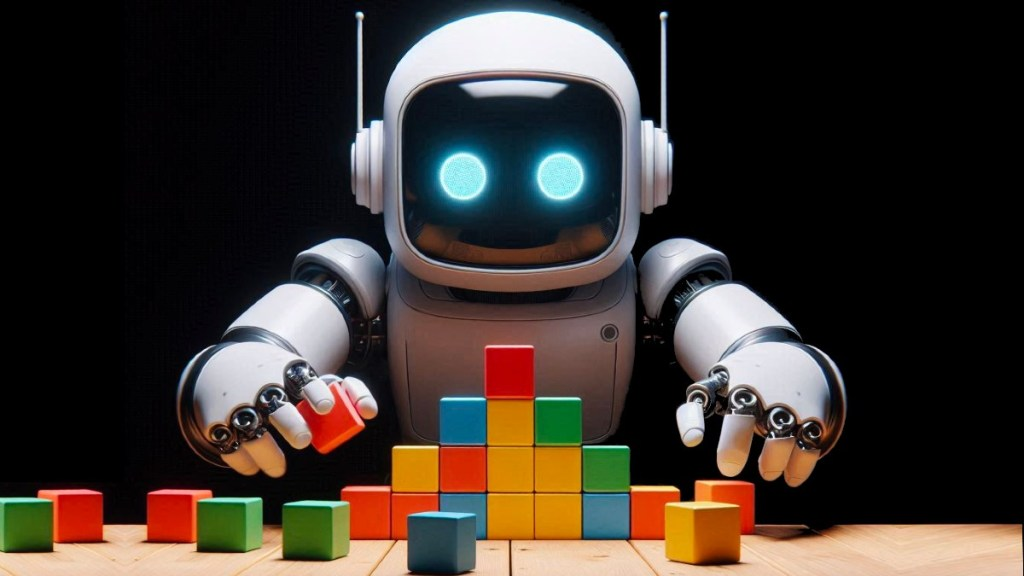
The field of robotics has witnessed a significant breakthrough with the introduction of OpenVLA, an open-source vision-language-action (VLA) model that can generalize to objects, scenes, and tasks beyond its training data. This innovation is set to revolutionize the robotics industry, making VLA models more accessible and customizable to a broader range of companies and research labs. OpenVLA’s open-source nature and ability to be fine-tuned for generalization in multi-task environments involving multiple objects make it a game-changer in the field. The model’s performance has been impressive, outperforming other similar models on robotics tasks, and its optimization techniques have made it possible to run on consumer-grade GPUs at a low cost.
The significance of OpenVLA lies in its ability to overcome the limitations of closed VLA models, which have hindered the adoption of these models in the industry. By making OpenVLA open-source, researchers have paved the way for future research and development in robotics. The model’s flexibility and adaptability make it an attractive option for companies and research labs looking to integrate AI applications into their operations.