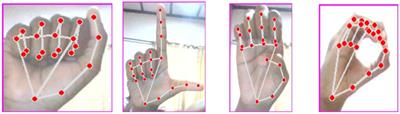
This article introduces an innovative Machine Learning-Driven Web Application designed to enhance sign language learning. The web application represents a significant leap in sign language education, utilizing HTML, CSS, JavaScript, and Flask for its development. It leverages users’ webcams for interactive practice sessions, displaying model predictions on-screen. Users are given words to spell by signing each letter, earning points upon correctly signing entire words. The primary aim is to provide an accessible learning platform for those unfamiliar with sign language, fostering inclusivity in the digital age. The article delves into the development process, the features of the application, and the machine learning framework that underpins it. It also reviews related works in the field of Sign Language Recognition (SLR) and discusses the methodology used for the web application’s seamless deployment. The article highlights the application’s user-friendly interface, low latency, and the potential for future enhancements to broaden its scope and impact.
Revolutionizing Sign Language Learning with ML-Driven Web Tools
Fostering inclusivity in the digital age through sign language learning tools.
1–2 minutes

TOP STORIES

Unauthorized users have gained access to Anthropic’s Mythos, raising security concerns …

Clarifai has deleted millions of photos from OkCupid amid an FTC investigation into data misuse …

Nvidia’s Vera Rubin platform is set to revolutionize AI inference with unmatched performance …

Apple’s leadership transition highlights a strategic focus on silicon for AI innovation …

Apple’s leadership changes signal a strategic shift towards AI and silicon innovation …

Tennessee’s new law restricts AI claims in mental health but may create loopholes …