
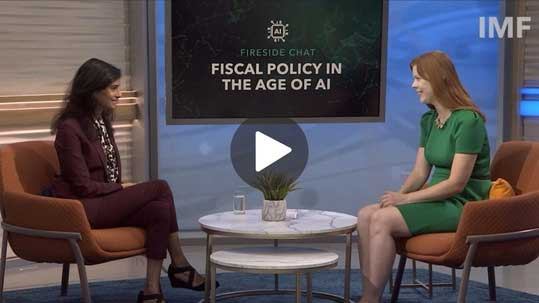
The International Monetary Fund (IMF) has released a staff discussion note exploring the role of fiscal policy in harnessing the benefits of artificial intelligence (AI) while mitigating its negative consequences. The report emphasizes the need for governments to take an agile approach in preparing for the transformative impact of AI on the labor market. The IMF suggests that fiscal policy can play a crucial role in ensuring a more equal distribution of the gains from AI, but this will require significant upgrades to social-protection and tax systems worldwide.
The report highlights the potential of AI to boost productivity and improve public services, but also raises concerns about job losses and inequality. To address these concerns, the IMF recommends strengthening social-protection policies, such as unemployment insurance, sector-based training, and upskilling programs. The report also explores the idea of taxing AI to mitigate labor-market disruptions, but advises against it, instead recommending a rebalancing of tax policy to offset rising inequality from AI.
The IMF’s approach emphasizes the need for governments to work together to ensure that AI applications benefit society as a whole, improving outcomes in areas such as education, health, and government services. The report’s findings and recommendations provide valuable insights for policymakers seeking to navigate the complex landscape of AI and its implications for the future of work.





