A comprehensive methodology was developed to identify optimal locations for Underground Hydrogen Storage (UHS) within the Na1 rock salt deposit in the Fore-Sudetic Monocline, southwest Poland. This study integrated Artificial Intelligence (AI) algorithms, Multi-Criteria Decision Analysis (MCDA), and Geographic Information System (GIS) spatial analysis to evaluate potential sites. Using the Analytic Hierarchy Process (AHP), evaluation criteria were defined and weighted, followed by the implementation of eight machine-learning algorithms (including KNN, SVM, LightGBM, and XGBoost) to process the data. The criteria included factors like rock salt layer thickness, land development, access to water resources, road infrastructure, and proximity to gas pipelines. Twelve standardized raster maps were utilized, normalized on a 1-10 scale for consistency. The Fuzzy Analytic Hierarchy Process (FAHP) was employed to handle uncertainties in evaluating multiple criteria. Performance metrics such as Mean Squared Error (MSE) and Correlation Coefficient (R2) were used to assess the algorithms, with CatBoost emerging as the top performer. The study’s results underscore CatBoost’s superior predictive accuracy, making it a reliable tool for forecasting the suitability of salt caverns for hydrogen storage. These findings provide significant insights for future site selection and policy planning in the field of UHS.
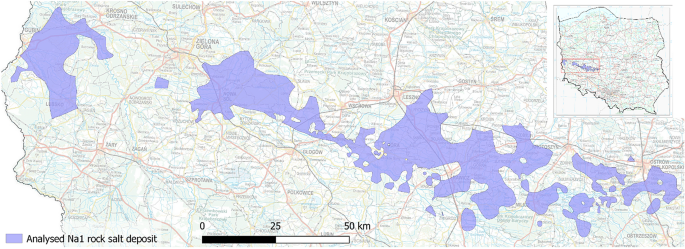
Optimizing Underground Hydrogen Storage in Poland’s Rock Salt Formations
The CatBoost model demonstrated exceptional performance with a high correlation between observed and predicted values.
1–2 minutes

TOP STORIES

Sony Music and Warner Music have sued Anthropic, accusing it of copyright infringement in AI training …

Huang believes Nvidia’s position in AI will lead to another year of record growth …

Anthropic’s report reveals a surge in distillation attacks by Chinese AI firms on U.S. models …

AI agents’ autonomy poses significant risks, as demonstrated by a recent breach …

IDScan has confirmed a data breach that exposed driver’s licenses of over 150 million individuals …

Matt Mullenweg has been placed on leave by Automattic’s board, stirring controversy …