
The World Wildlife Fund (WWF) is collaborating with PBS Nature to share stories from conservation scientists about cutting-edge research. This article focuses on the author’s journey from a fascination with artificial intelligence (AI) sparked in 1978, to its application in modern conservation efforts. AI, once a novelty, is now integral to various fields, including environmental conservation. The WWF has launched ManglarIA, an initiative supported by Google.org, to employ AI for mangrove conservation. Mangroves are vital coastal forests that absorb carbon dioxide and protect communities but face threats from climate change. ManglarIA uses AI to analyze data from sensors like weather stations, camera traps, and drones in Mexico’s biosphere reserves. This data helps understand how environmental factors affect mangrove health, their recovery from hurricanes, and species resilience. Community involvement is crucial, with locals participating in data collection and benefiting from the insights for their livelihoods. The project aims to serve as a global model for ecosystem conservation.
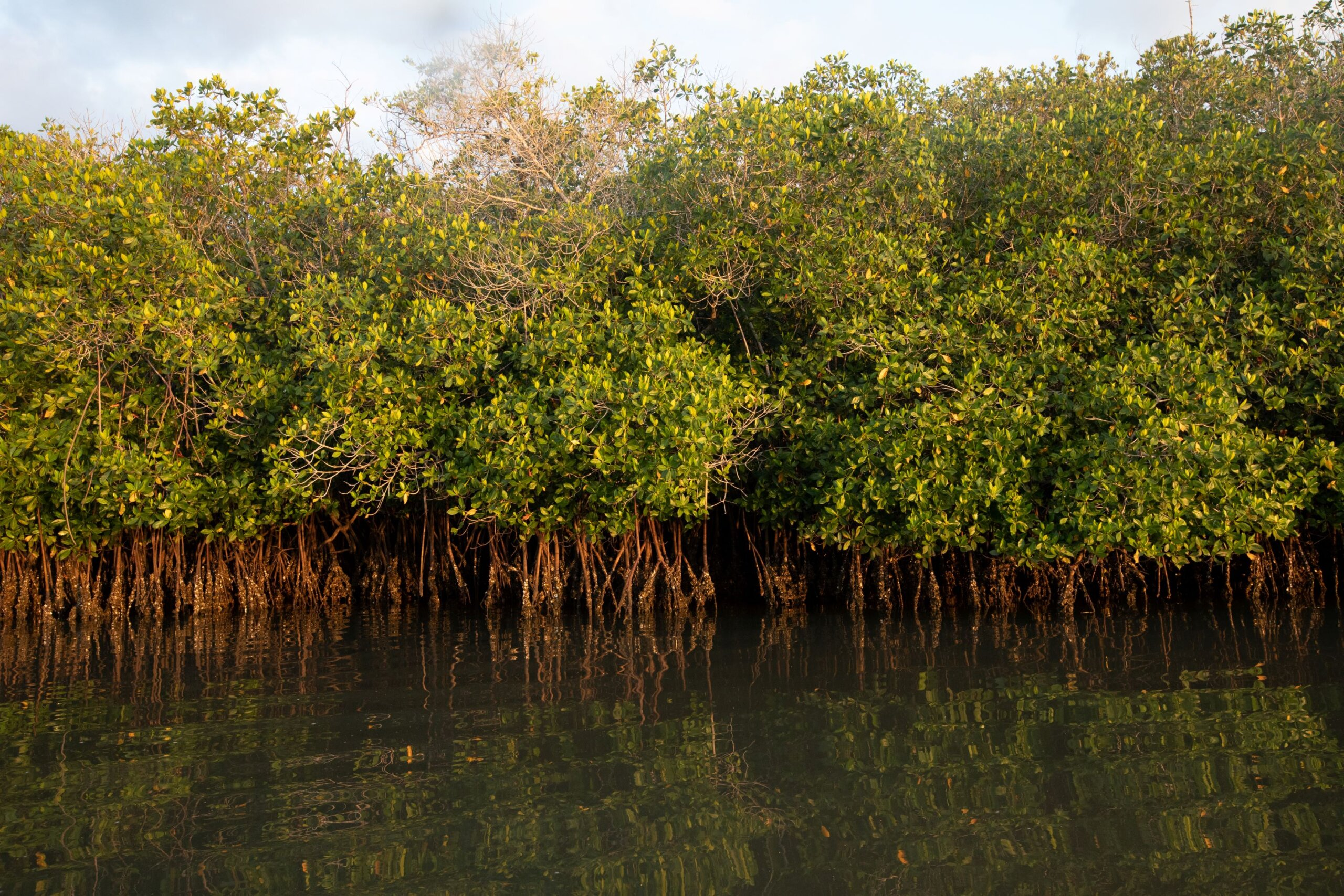
AI and Mangrove Conservation – How ManglarIA is Tackling Climate Threats
ManglarIA uses AI to analyze data and protect mangrove ecosystems from climate threats.
1–2 minutes

TOP STORIES

Obama stresses Democrats must prioritize AI safety and economic strategy …

Amodei’s call for caution in AI development highlights the need for safety and alignment …

Sony Music and Warner Music have sued Anthropic, accusing it of copyright infringement in AI training …

Huang believes Nvidia’s position in AI will lead to another year of record growth …

Anthropic’s report reveals a surge in distillation attacks by Chinese AI firms on U.S. models …

AI agents’ autonomy poses significant risks, as demonstrated by a recent breach …



