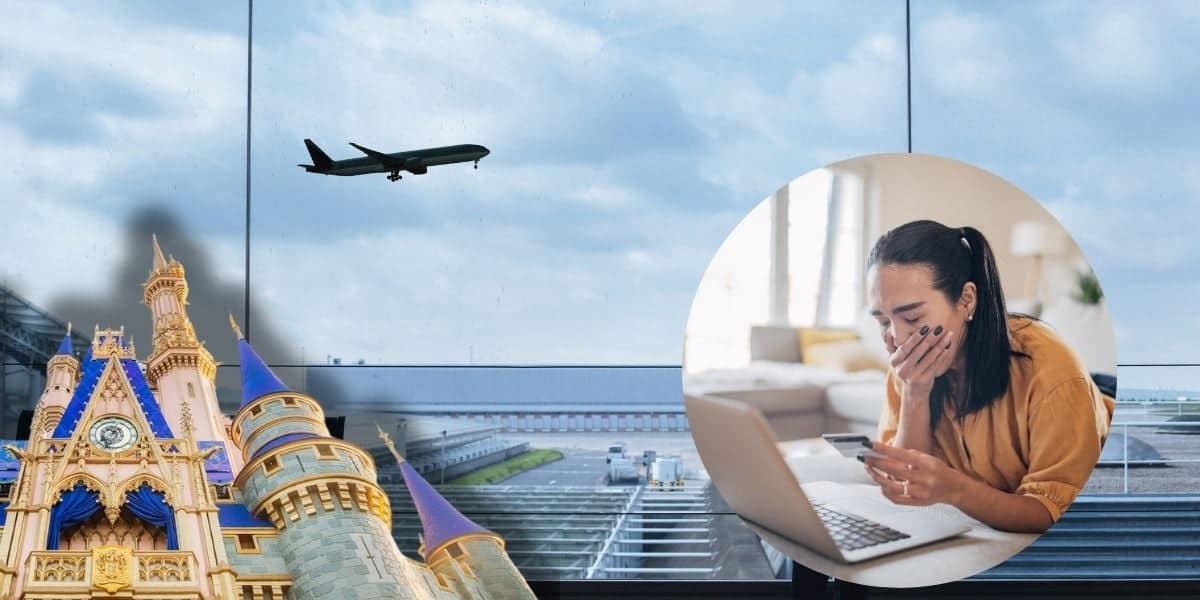
The alarming surge in travel scams, fueled by artificial intelligence (AI), has put millions of Disney guests on high alert worldwide. According to Booking.com’s internet safety head, Marnie Wilking, there has been a staggering 500 to 900% increase in such scams over the past 18 months. The rise of generative AI tools like ChatGPT has enabled scammers to launch sophisticated phishing attacks, making it increasingly difficult for individuals to detect fraudulent activities. These scams often involve sending fake but convincing internet booking links to trick people into sharing their financial details. To counter these threats, experts recommend using two-factor authentication, conducting thorough research, and being cautious of unsolicited emails or messages. Furthermore, Disney guests are advised to book accommodations and tickets through official Disney websites or reputable travel agencies, and to use credit cards for payments to benefit from fraud protection. By staying informed and maintaining a cautious approach, travelers can significantly reduce the risk of falling victim to AI-driven travel scams.
AI Fuels Travel Scam Epidemic
AI now enables the creation of realistic images and much more accurate text in multiple languages, making scams harder to detect.
1–2 minutes

TOP STORIES

Quantum computing is transforming industries, but it poses significant cybersecurity risks …

A coalition of state attorneys general has opened an investigation into OpenAI …

The U.S. government’s export control directive has forced Anthropic to disable its new AI models, raising questions about regulation and …

SpaceX’s recent deal with Google highlights its shift from aerospace to AI infrastructure …

Google is suing to dismantle the infrastructure behind an alleged massive AI-powered cybercrime operation …

AI usage continues to grow rapidly, even as public sentiment remains skeptical …