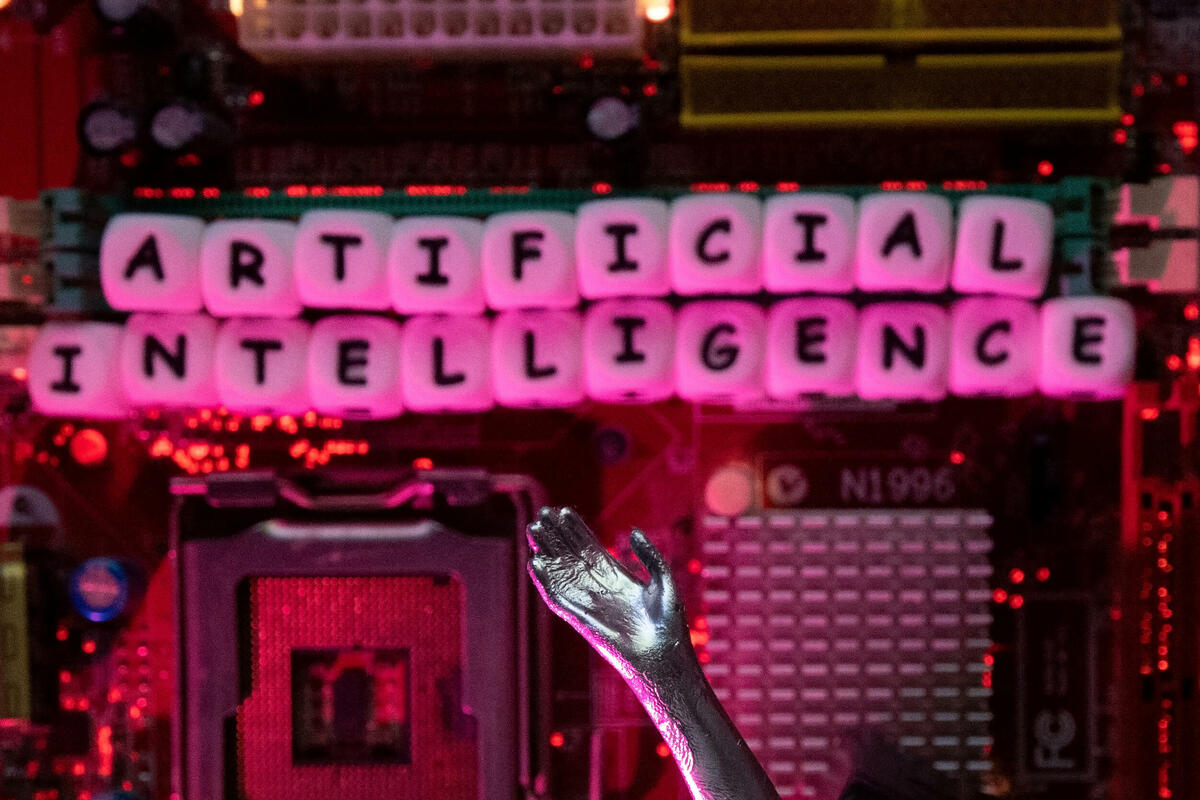
The integration of artificial intelligence into national security decision-making processes may have both fascinating and challenging consequences. A hypothetical crisis scenario involving a Chinese blockade on Taiwan was used to explore the opportunities and challenges that AI could bring to decision-making. The results were not always as expected. While AI can speed up decision-making by providing valuable analysis time, it can also slow it down by producing more data, creating uncertainty, and forcing policymakers to consider the role of AI in adversary actions. AI can also prevent groupthink by offering unconventional ideas, but it can also encourage it by creating overconfidence in the system. Moreover, AI can reinforce existing bureaucratic advantages, and misperception can be amplified by the spread of AI. Training and previous experience are essential to mitigate these risks, and clear AI rules can strengthen stability in crisis situations.
AI in the National Security Council
The integration of artificial intelligence into national security decision-making processes may have both fascinating and challenging consequences. A hypothetical crisis scenario involving a Chinese blockade on Taiwan was used to explore the opportunities and challenges that AI could bring to decision-making. The results were not always as expected. While AI can speed up decision-making by…
1–2 minutes

TOP STORIES

Unauthorized users have gained access to Anthropic’s Mythos, raising security concerns …

Clarifai has deleted millions of photos from OkCupid amid an FTC investigation into data misuse …

Nvidia’s Vera Rubin platform is set to revolutionize AI inference with unmatched performance …

Apple’s leadership transition highlights a strategic focus on silicon for AI innovation …

Apple’s leadership changes signal a strategic shift towards AI and silicon innovation …

Tennessee’s new law restricts AI claims in mental health but may create loopholes …