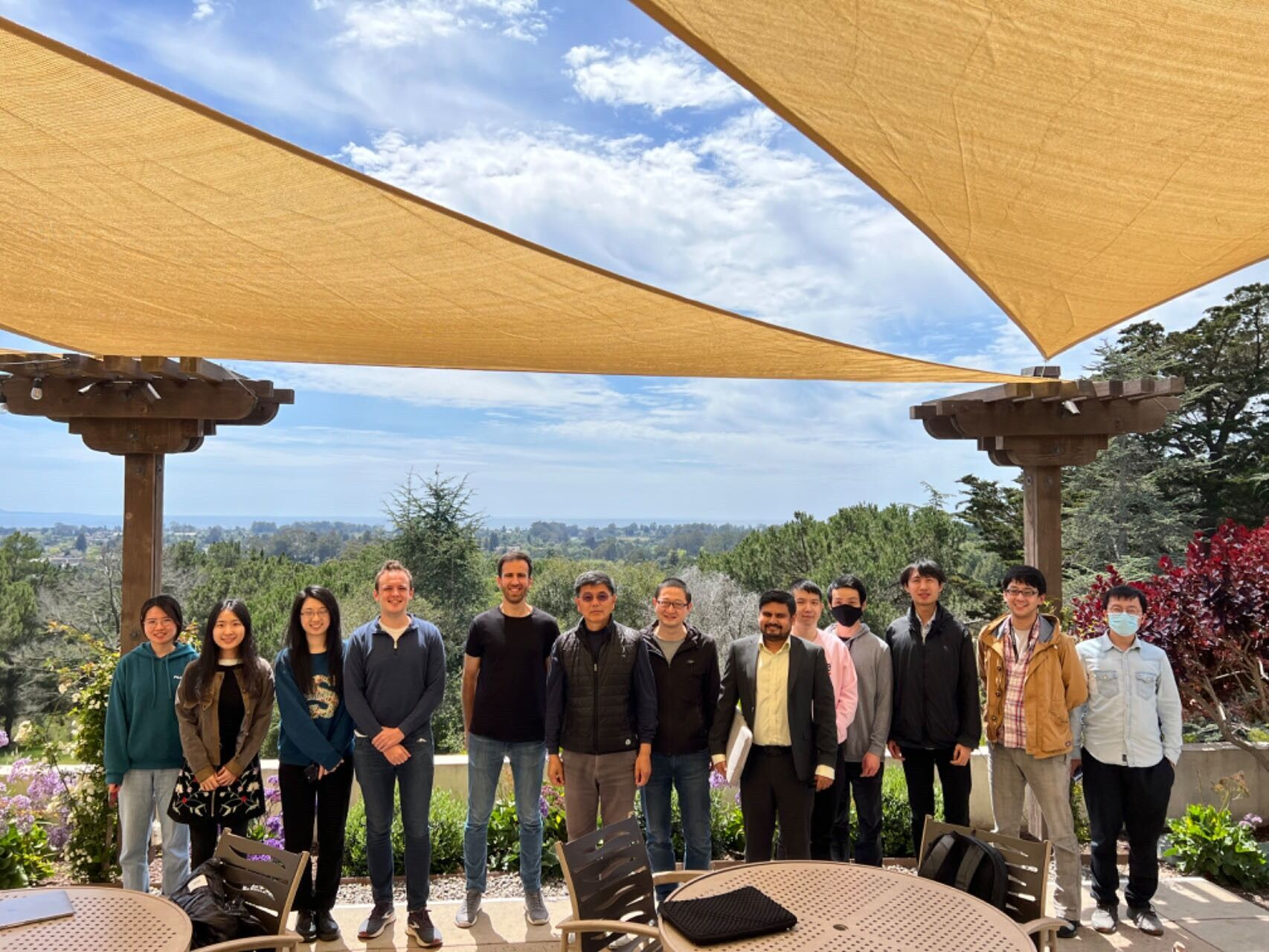
Lei Xing’s laboratory at Stanford Cancer Institute is at the forefront of integrating artificial intelligence (AI) into cancer research and healthcare. Xing, a renowned expert in medical physics and oncology, is working to adapt AI techniques to clinical practice, recognizing that current AI technology is often too general and lacks clinical perspective. His lab is pushing the boundaries of AI applications in radiation therapy, developing data-efficient AI solutions to improve healthcare, reduce errors, and streamline clinical processes. By leveraging cutting-edge AI technologies, such as large language models and foundation models, Xing’s team is enhancing imaging, computational procedures, and decision-making processes. They have created AI that assists in clinical tasks like treatment plan evaluation, tumor segmentation, and outcome prediction, and are working on standardizing data across the field to enable a more collaborative approach. Xing’s research has far-reaching implications for cancer treatment and patient care, and he is optimistic about the future of utilizing machine learning techniques to enhance research capabilities.
AI Revolutionizes Cancer Research
Xing’s lab is developing new AI-driven analytics methods and tools for high-dimensional data visualization and interpretable AI to aid in the digital reconstruction of tumors and other relevant structures.
1–2 minutes

TOP STORIES

Nvidia’s Vera Rubin platform is set to revolutionize AI inference with unmatched performance …

Apple’s leadership transition highlights a strategic focus on silicon for AI innovation …

Tennessee’s new law restricts AI claims in mental health but may create loopholes …

Experts warn that as AI evolves, the risks it poses are becoming more serious and complex …

China sets new regulations for AI companions, impacting a booming market …

Anthropic continues to engage with the Trump administration despite Pentagon tensions …