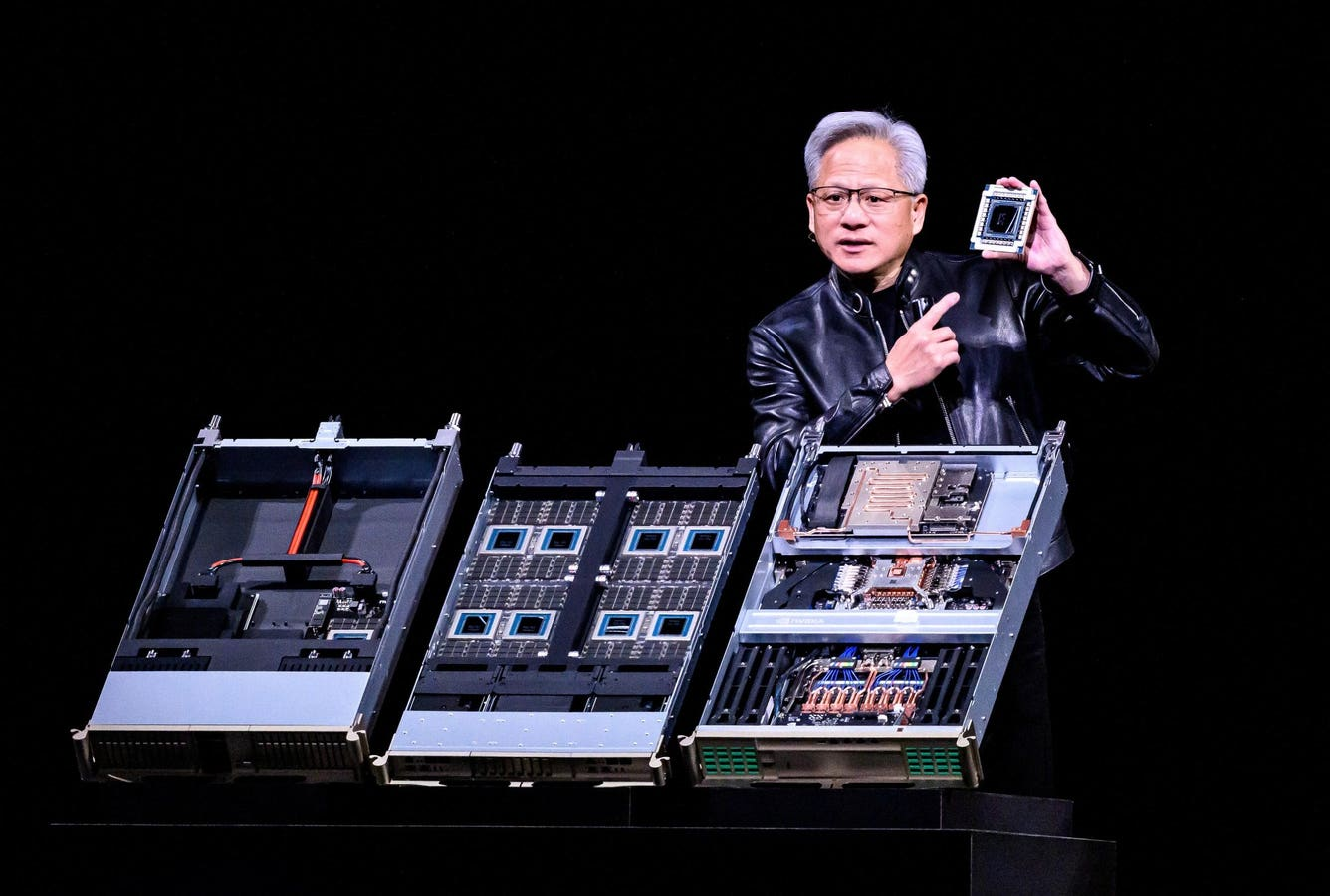
Jensen Huang, the 61-year-old CEO of Nvidia, has had a remarkable week, watching his company briefly surpass Microsoft to become the world’s most valuable company with a $3.34 trillion valuation. This milestone is a testament to Nvidia’s transformation from a niche graphics card manufacturer to a crucial component of the generative AI boom. The company’s GPUs have been in high demand from tech giants like Meta, Google, and OpenAI, who need the hardware to train and build powerful AI models. Nvidia’s record quarterly revenue of $26 billion, up 262% from the same quarter a year ago, has sparked comparisons to the dot-com boom. However, the question remains whether this rally will last, as the company’s success is heavily dependent on the continuation of the generative AI boom. While some analysts believe the “AI party is just getting started,” others are cautious about the technology’s limitations and potential risks. As the industry moves forward with LLM-enabled generative AI, Nvidia’s position as a primary provider of computing power will be crucial in the race to a $4 trillion valuation.
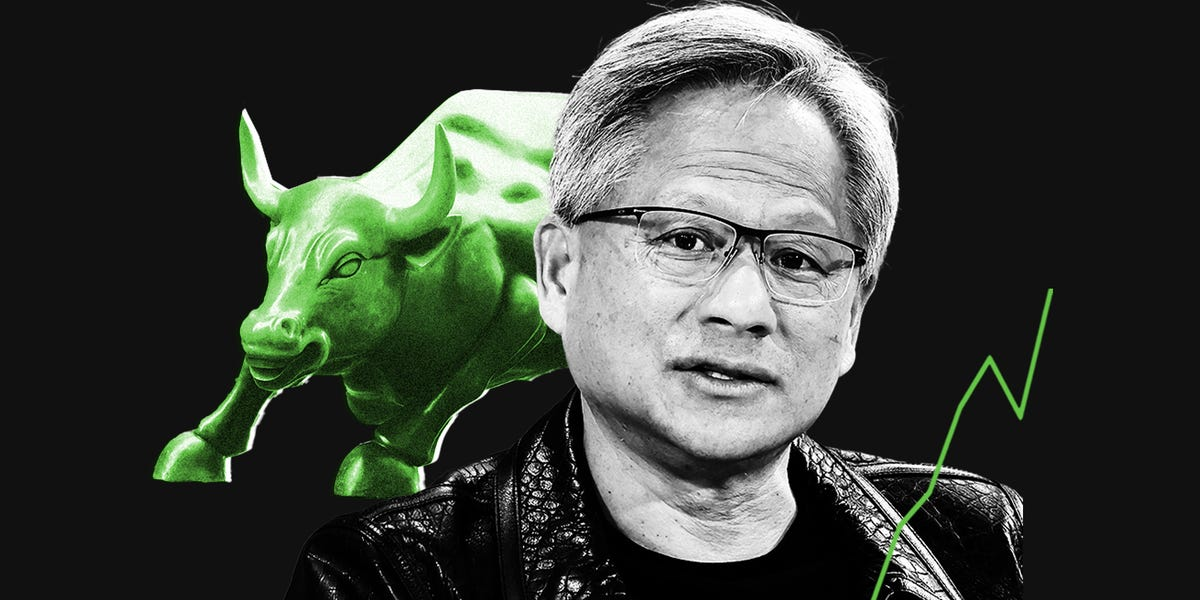
Nvidia’s Rise to the Top
Jensen Huang boldly claimed that “the intersection of AI and accelerated computing is set to redefine the future” and laid out a road map for releasing upgraded chips every year to help achieve this future.
1–2 minutes

TOP STORIES

Nvidia’s Vera Rubin platform is set to revolutionize AI inference with unmatched performance …

Apple’s leadership transition highlights a strategic focus on silicon for AI innovation …

Tennessee’s new law restricts AI claims in mental health but may create loopholes …

Experts warn that as AI evolves, the risks it poses are becoming more serious and complex …

China sets new regulations for AI companions, impacting a booming market …

Anthropic continues to engage with the Trump administration despite Pentagon tensions …