
Intel has introduced the Optical Compute Interconnect (OCI) chiplet, a revolutionary technology that uses light instead of electricity to transmit data between processors. This innovation addresses the growing computational and energy demands of AI by allowing processors to communicate over longer distances, thereby enhancing data center efficiency and flexibility. The OCI chiplet integrates optical signaling, enabling nearly 100 times longer communication distances compared to traditional copper cables, and has the potential to reduce latency and increase scalability. Intel demonstrated this breakthrough at the Optical Fiber Communication Conference, showing how it integrates with CPUs to handle more powerful AI models. Although optical technologies are generally more expensive, Intel believes the benefits justify the cost. The chiplet is compatible with processors from various vendors, including Nvidia and AMD, ensuring broad interoperability. Intel plans to scale up production and is running pilot programs to integrate this technology into data centers, promising a future of enhanced bandwidth and efficiency.
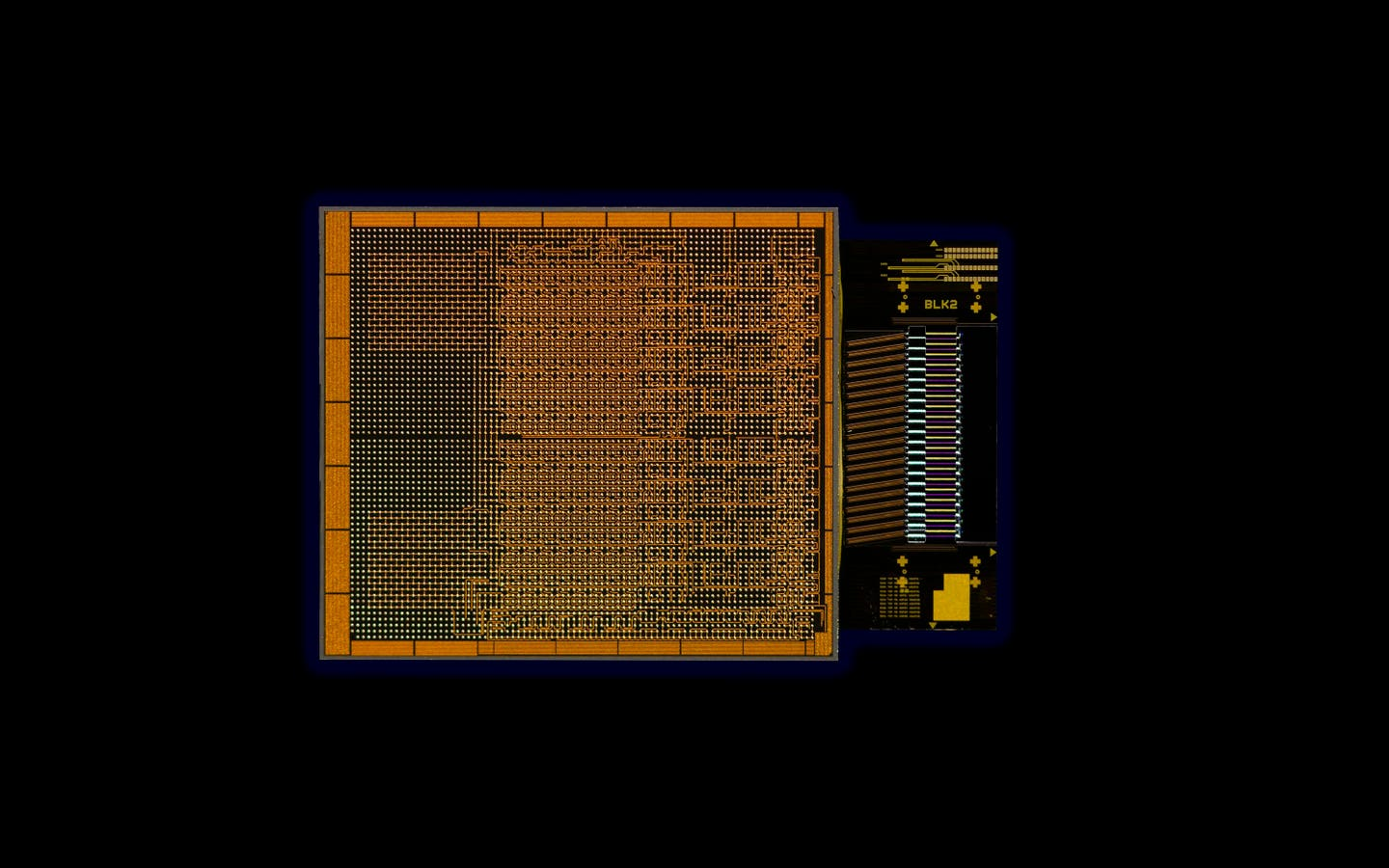
Intel Unveils Game-Changing Optical Chiplet for AI Data Centers
Intel’s new OCI chiplet uses light to revolutionize data transmission in AI data centers.
1–2 minutes

TOP STORIES

Obama stresses Democrats must prioritize AI safety and economic strategy …

Amodei’s call for caution in AI development highlights the need for safety and alignment …

Sony Music and Warner Music have sued Anthropic, accusing it of copyright infringement in AI training …

Huang believes Nvidia’s position in AI will lead to another year of record growth …

Anthropic’s report reveals a surge in distillation attacks by Chinese AI firms on U.S. models …

AI agents’ autonomy poses significant risks, as demonstrated by a recent breach …



