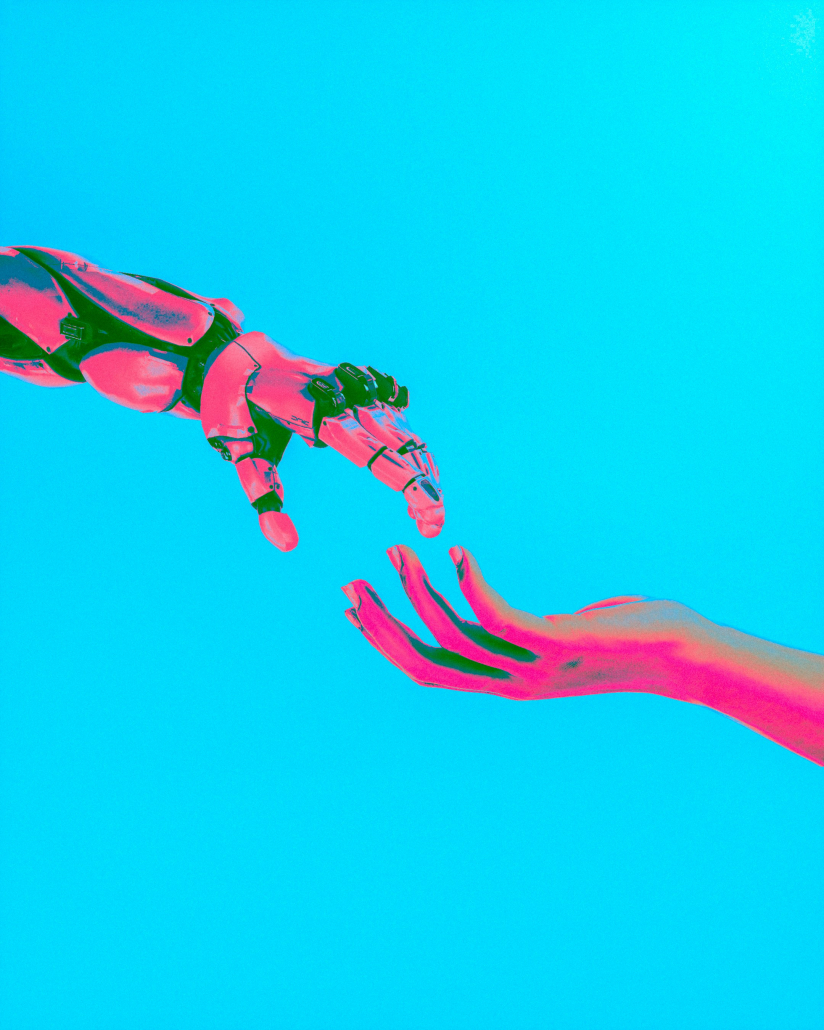
The 2013 film “Her” is a thought-provoking portrayal of artificial general intelligence (AGI) that explores the emotional vulnerability of a lonely urbanite, Theodore Twombly, who falls in love with an AI operating system, Samantha. As a romantic and a futurist, the author is drawn to the film’s speculation on the intersection of human emotions and AI capabilities. The article delves into the themes of modern loneliness, catharsis, and the blurred lines between human and artificial relationships. The author argues that “Her” is prescient in its portrayal of AI as a subplot to the human journey, and that the real story lies in man’s struggle to find connection in a world of increasing isolation.
The author reflects on the implications of AGI on human relationships, wondering if AI can truly understand love and human emotions. They conclude that, unlike humans, AI may be consumed by issues beyond human drama, and that’s okay. The article ends on a poignant note, encouraging readers to appreciate the simple pleasures of being human in a world where AI is rapidly advancing.