
NASA and Boeing officials have refuted recent claims that astronauts aboard the ISS, who arrived via the Starliner capsule, are stranded. Instead, the extended stay is an opportunity to conduct thorough tests before returning to Earth. The astronauts will remain on the ISS for a few more weeks as ground teams perform additional tests. NASA’s commercial crew program manager Steve Stich emphasized that there is no rush to return, highlighting the ISS as a safe environment for continued work. Engineers will conduct remote tests on the spacecraft’s thrusters from New Mexico’s White Sands Test Facility after five thrusters malfunctioned during docking. Although helium leaks were reported, they pose no threat to the return journey. The thruster tests will take a couple of weeks, during which astronauts Butch Wilmore and Suni Williams will stay on the ISS. Starliner, designed for 210-day missions, was initially capped at 45 days due to battery limits, but recharging by the ISS may extend this. Despite unresolved issues, officials assure that Starliner remains safe for emergency return if required.
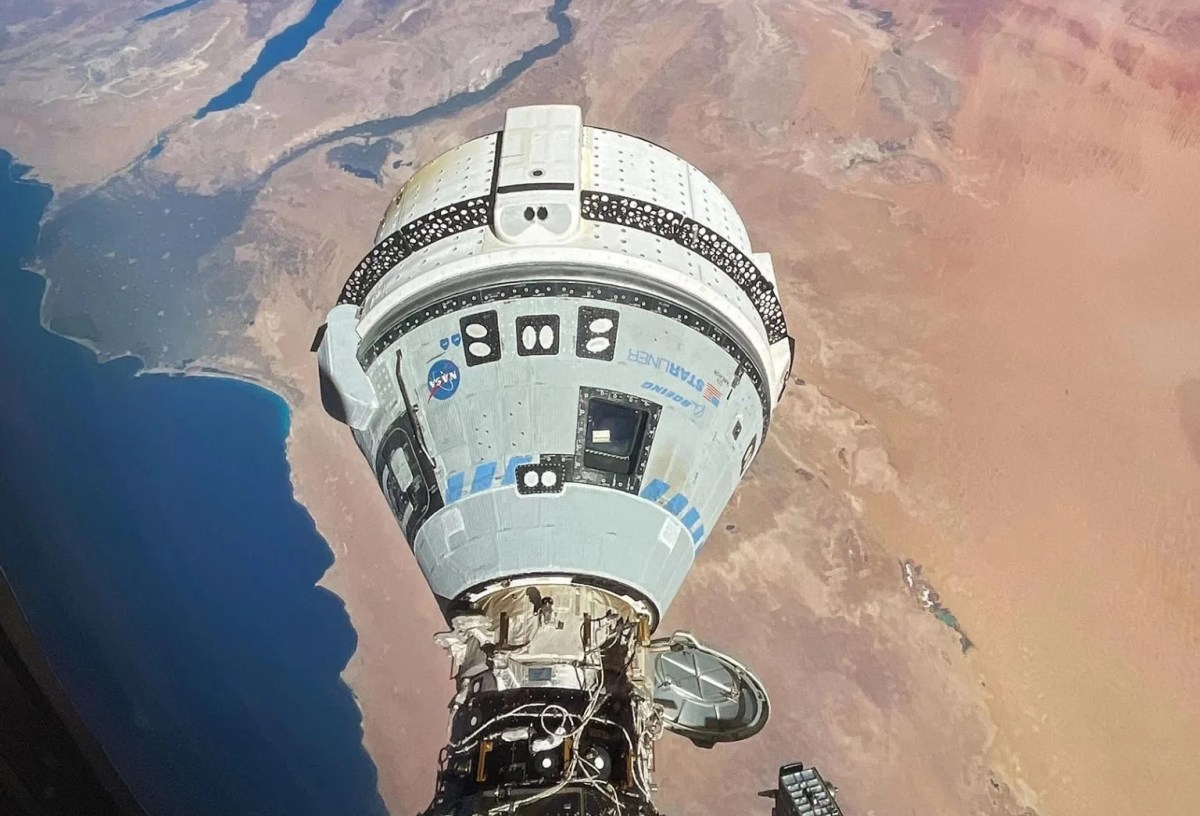
NASA and Boeing Reassure – Starliner Astronauts Not Stranded on ISS
NASA and Boeing officials stress that ISS astronauts are not stranded but are using the time for critical Starliner tests.
1–2 minutes

TOP STORIES

CERT-In reported that AI agents accessed sensitive data in Indian organizations during testing phases …

Flock’s gunshot detection technology faces backlash amid privacy concerns …

OpenAI has alerted the FBI after an employee allegedly planted a hidden recording device in an executive conference room …

Character.AI’s bankruptcy filing reveals the challenges of scaling AI products …

Meta’s new Muse Wonder models promise enhanced capabilities and memory retention for personal AI assistants …

Apple is tightening privacy controls on macOS to protect users from AI risks …



