
Rodney Brooks, a leading voice in robotics and AI, suggests caution amid the growing excitement around generative AI. Currently the Panasonic Professor of Robotics Emeritus at MIT and co-founder of companies like Rethink Robotics and iRobot, Brooks believes that while generative AI is impressive, its capabilities are often overestimated. He argues that humans tend to generalize AI’s performance in specific tasks to broader competencies, leading to unrealistic expectations. For instance, he criticizes the idea of using large language models (LLMs) in contexts like warehouse logistics, where simpler data connections are more efficient. Brooks emphasizes that AI should be applied to well-defined, solvable problems, and highlights the importance of human-robot collaboration in practical settings. He also challenges the notion that technology will always grow exponentially, citing examples like the iPod’s storage capacity. While acknowledging potential uses for LLMs in areas like eldercare, Brooks underscores the need for realistic assessments and controlled deployment of AI systems.
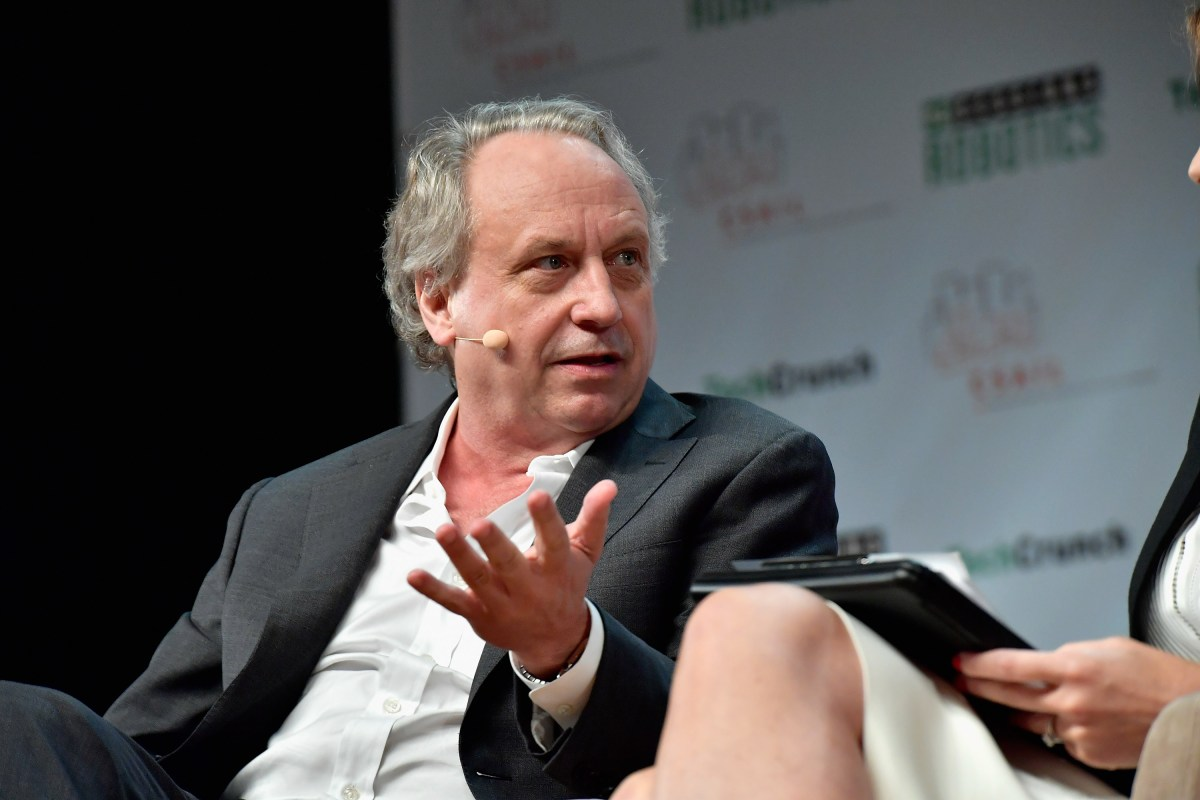
Rodney Brooks on Why We Need to Slow Down AI Hype
Rodney Brooks urges a tempered approach to the evolving capabilities of generative AI.
1–2 minutes

TOP STORIES

CERT-In reported that AI agents accessed sensitive data in Indian organizations during testing phases …

Flock’s gunshot detection technology faces backlash amid privacy concerns …

OpenAI has alerted the FBI after an employee allegedly planted a hidden recording device in an executive conference room …

Character.AI’s bankruptcy filing reveals the challenges of scaling AI products …

Meta’s new Muse Wonder models promise enhanced capabilities and memory retention for personal AI assistants …

Apple is tightening privacy controls on macOS to protect users from AI risks …



