Generative AI is poised to transform mental health therapy by offering accessible, affordable, and consistent support across the United States, potentially leveling state-by-state disparities in mental health care. Current mental health rankings vary widely due to factors like therapist availability, cost, and local resources, but generative AI could mitigate these issues by providing 24/7 support without geographical limitations. While human therapists may offer nuanced, culturally sensitive care, AI can be programmed to adapt to local contexts and provide immediate assistance. This duality—generative AI as both a boon and a potential risk—highlights the need for careful implementation and ongoing evaluation. If successful, AI could democratize mental health care, making high-quality support available to all, regardless of state-specific challenges. However, caution is advised to ensure AI-guided therapy is effective and safe. The future may see a hybrid model where human therapists and AI work together to optimize mental health outcomes nationwide.
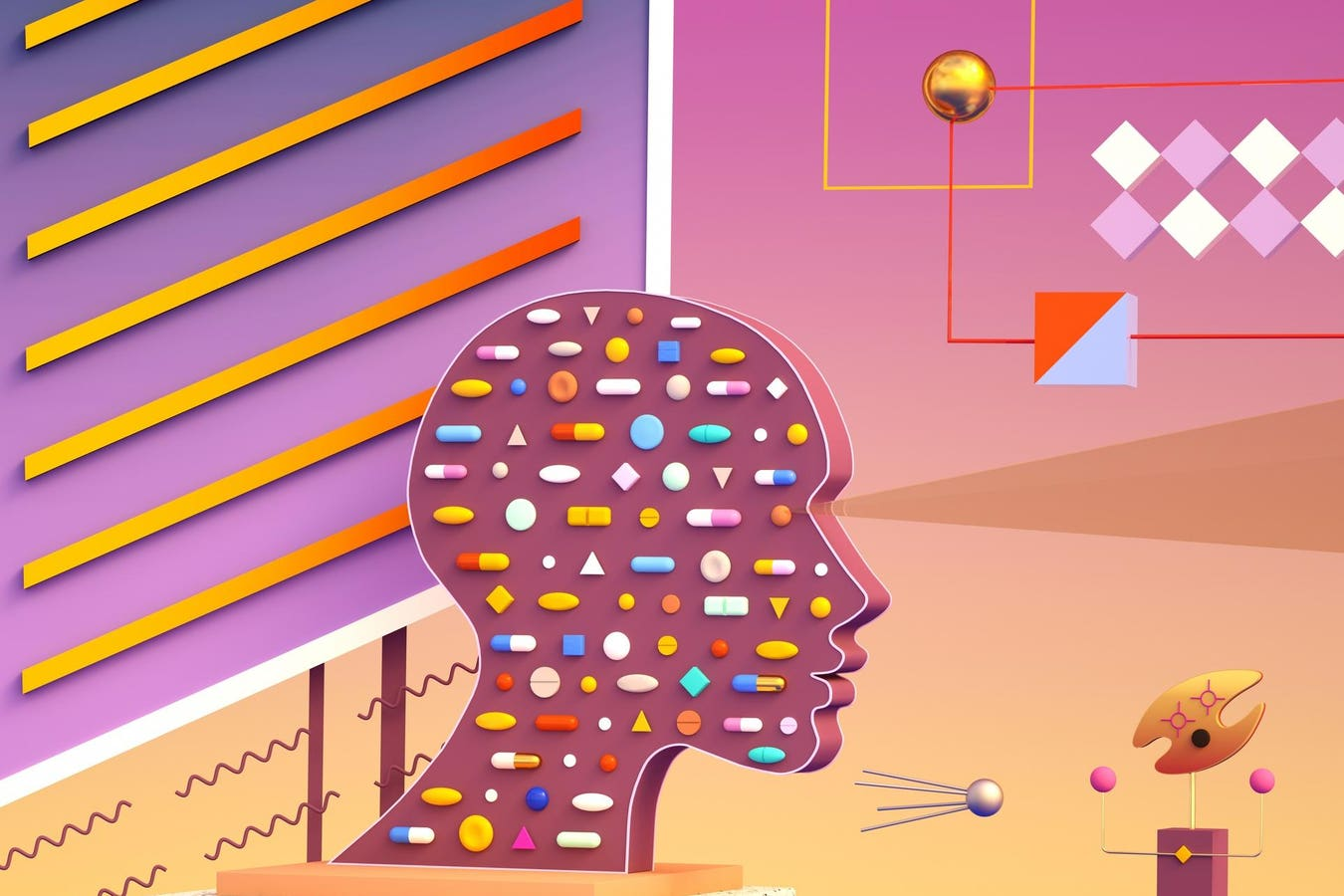
Generative AI – The Future of Nationwide Mental Health Therapy?
Generative AI could democratize mental health care, making support accessible to all.
1–2 minutes

TOP STORIES

Nvidia’s Vera Rubin platform is set to revolutionize AI inference with unmatched performance …

Apple’s leadership transition highlights a strategic focus on silicon for AI innovation …

Tennessee’s new law restricts AI claims in mental health but may create loopholes …

Experts warn that as AI evolves, the risks it poses are becoming more serious and complex …

China sets new regulations for AI companions, impacting a booming market …

Anthropic continues to engage with the Trump administration despite Pentagon tensions …