The 310th Space Wing’s senior intelligence officer, Lt. Col. Nicholas Demakakos, has secured a $2.5 million grant to develop the Space Targeting Analyses and Reporting Celestial Information System (STARCIS), an AI software prototype aimed at enhancing space domain awareness through predictive intelligence analysis. This initiative is part of the Air Force’s Intelligence Surveillance and Reconnaissance, Modernization, Automation, and Development (IMAD) program. The program focuses on leveraging machine learning (ML) technology to improve intelligence collaboration and operational support. STARCIS will utilize Large Language Models (LLMs) to streamline the generation of tactical reports, reducing the process from three hours to just 15 minutes. The prototype aims to provide ISR analysts with a common intelligence picture to address complex threat scenarios. With the increasing contestation in space, STARCIS is expected to significantly enhance the U.S.’s ability to monitor and respond to potential threats. The development of STARCIS will commence on October 1, 2024, and is slated for completion by September 30, 2025, with initial deployment to nine squadrons under the 310th Space Wing and other Space Operations Command units.
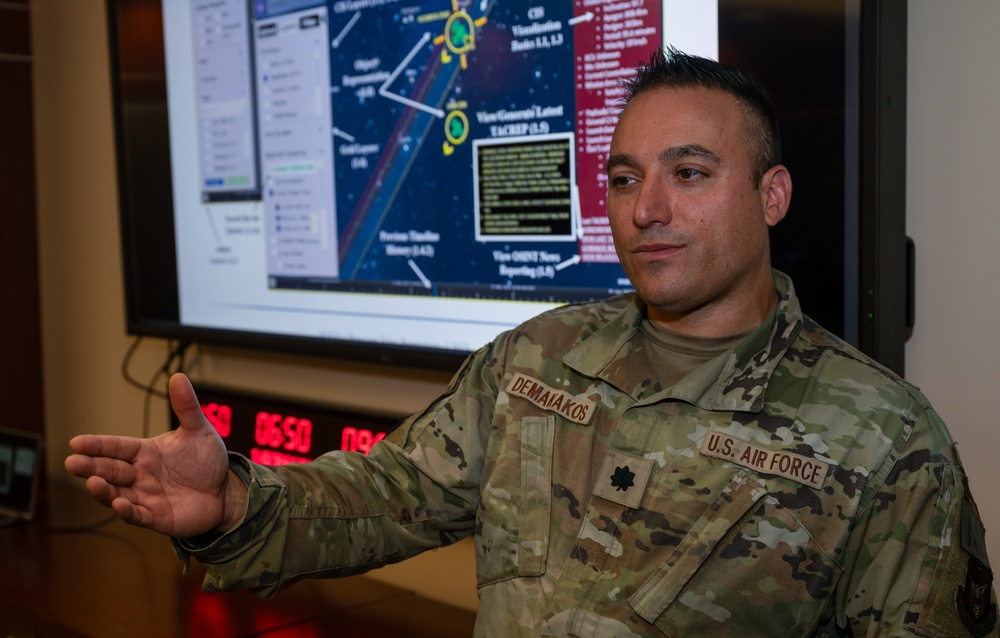
AI Power Boost for Space Intelligence – $2.5M Grant to Develop STARCIS
Lt. Col. Demakakos’s STARCIS aims to revolutionize space domain awareness through AI.
1–2 minutes

TOP STORIES

Apple is tightening privacy controls on macOS to protect users from AI risks …

Trump consulted Musk’s Grok chatbot before military actions in Venezuela …

Google’s satellite launch aims to test its AI chips in space, paving the way for future orbital data centers …

OpenAI has dismissed three researchers for sharing confidential information with an outside organization …

Gemini 4 Argon is designed to excel in cybersecurity, coding, and visual analysis …

Project Meridian seeks to redefine warfare by leveraging advanced technology with the help of industry leaders …