
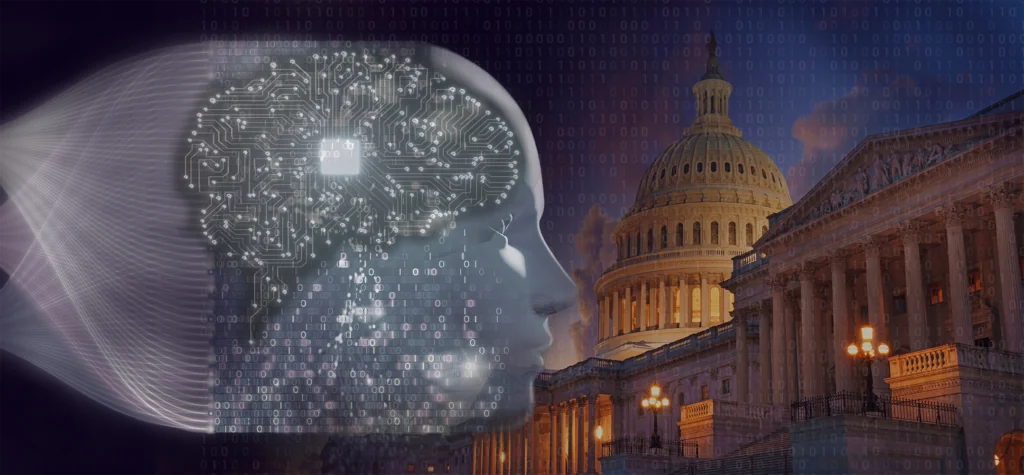
The Chevron Deference Overturned
The U.S. Supreme Court’s recent decision in Loper Bright Enterprises v. Raimondo has overturned the long-standing Chevron deference, a legal doctrine that allowed federal agencies to interpret ambiguous statutes. This ruling marks a significant shift in how regulations will be implemented and challenged in the future.
Key Implications
- Federal agencies must now provide “persuasive reasoning” rather than just “reasonable” interpretations of ambiguous laws
- Courts, rather than agencies, will have more power in interpreting unclear statutes
- Agencies regulating highly technical fields may struggle to meet the new “persuasive” threshold
- The ruling poses significant challenges for regulating emerging technologies, particularly artificial intelligence
The AI Regulation Challenge
The overturning of Chevron deference comes at a critical time for AI regulation. With no comprehensive federal legislation in place and limited expertise in AI among lawmakers and judges, the ability to implement effective AI regulations is now in question. This development could significantly hinder efforts to safeguard public interests and national security in the rapidly evolving field of artificial intelligence.





