The Current State of AI in Enterprise
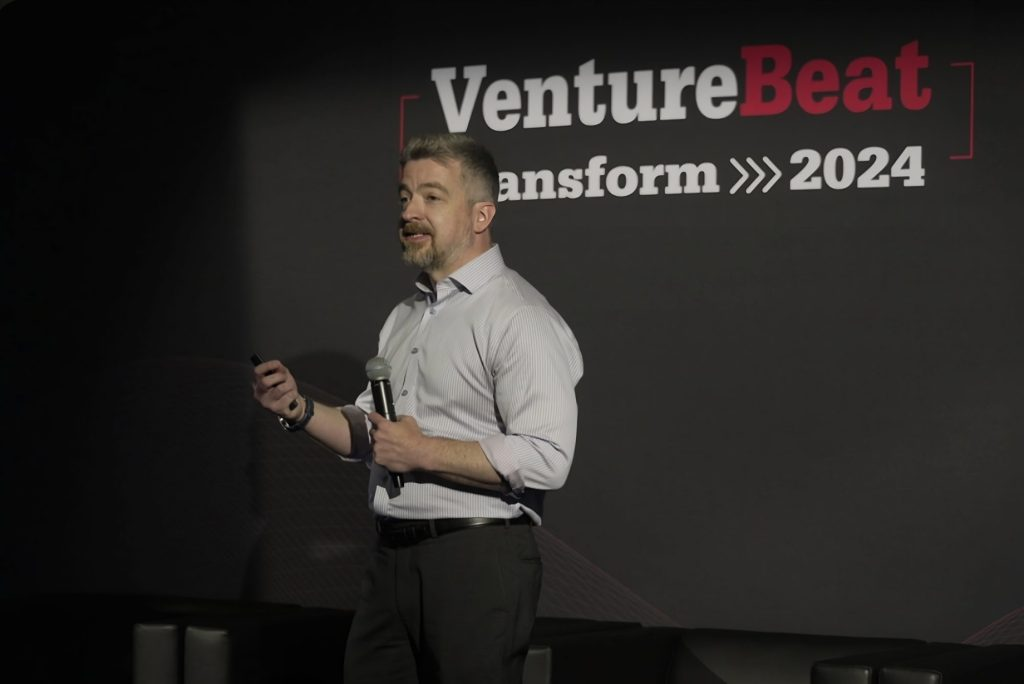
IBM’s David Cox, VP of AI models and director at the MIT-IBM Watson AI Lab, recently presented a compelling vision for open innovation in enterprise generative AI at VB Transform 2024. Cox emphasized the critical nature of the current moment in AI development, urging businesses to make informed decisions about their AI investments and avoid potential lock-in scenarios.
Key Insights on Open Innovation in AI
- Cox highlighted the nuanced nature of openness in AI, challenging the notion that it’s a simple binary concept.
- He raised concerns about the quality of openness in many Large Language Models (LLMs), noting that some are more like “black boxes” than truly open systems.
- Cox drew parallels between successful open-source software projects and the ideal characteristics of open AI models, including frequent updates, structured release cycles, and active community contributions.
The Enterprise Data Gap and Future of AI
Cox proposed a shift in understanding LLMs as data representations rather than just conversational tools. He identified a significant gap in current AI models: the lack of proprietary enterprise knowledge. To address this, Cox outlined a three-step approach for enterprises to integrate their unique data into AI models:
1. Find an open, trusted base model
2. Create a new representation of business data
3. Deploy, scale, and create value
This approach, exemplified by IBM’s InstructLab project, aims to bridge the gap between generic AI models and enterprise-specific knowledge, potentially revolutionizing how businesses leverage AI for competitive advantage.