Revolutionizing AI Training
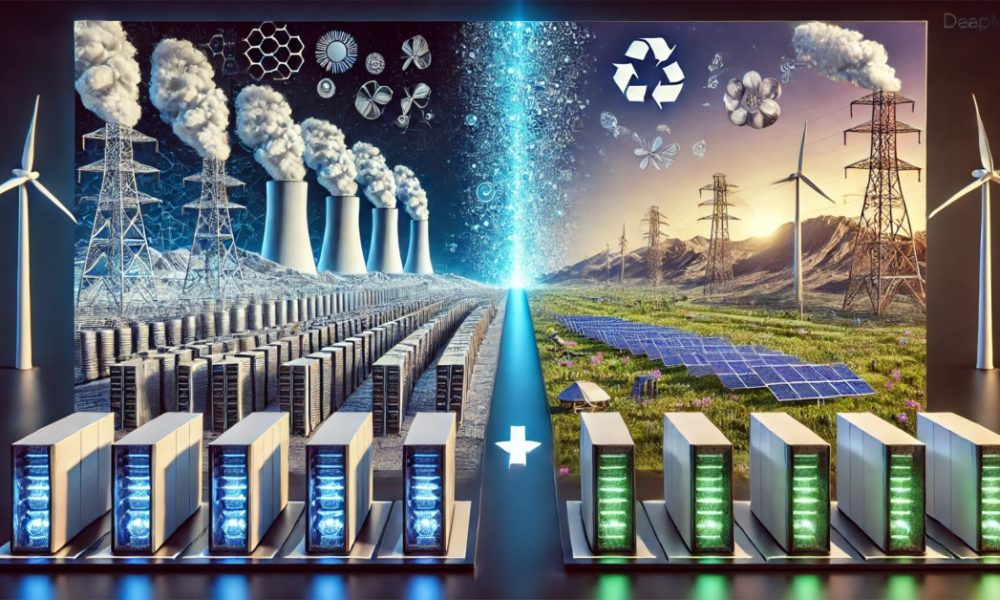
Google DeepMind’s Joint Example Selection (JEST) algorithm is set to transform the landscape of generative AI training. This innovative approach tackles the significant challenges of high costs and environmental impact associated with training large-scale AI models. By improving the efficiency of the training algorithm itself, JEST operates 13 times faster and is ten times more power-efficient than current techniques.
Key Advancements
- JEST intelligently selects the most valuable data batches for training, optimizing the learning process.
- The algorithm employs a smaller AI model to evaluate and rank data batches based on their effectiveness.
- JEST utilizes multimodal contrastive learning to understand relationships between different data types.
- The approach significantly reduces computational resources and energy consumption in AI training.
Broader Implications
JEST’s impact extends beyond just faster and greener AI training. This algorithm has the potential to enhance model performance and accuracy by focusing on high-quality inputs. It can also help identify and mitigate biases in training data, promoting more balanced and representative AI systems. By lowering barriers to entry, JEST facilitates innovation and research in AI development, allowing smaller teams and organizations to experiment with advanced AI solutions. Furthermore, the algorithm’s approach to data selection encourages inclusive practices in dataset curation, fostering responsible AI development that considers diverse perspectives and ethical considerations.