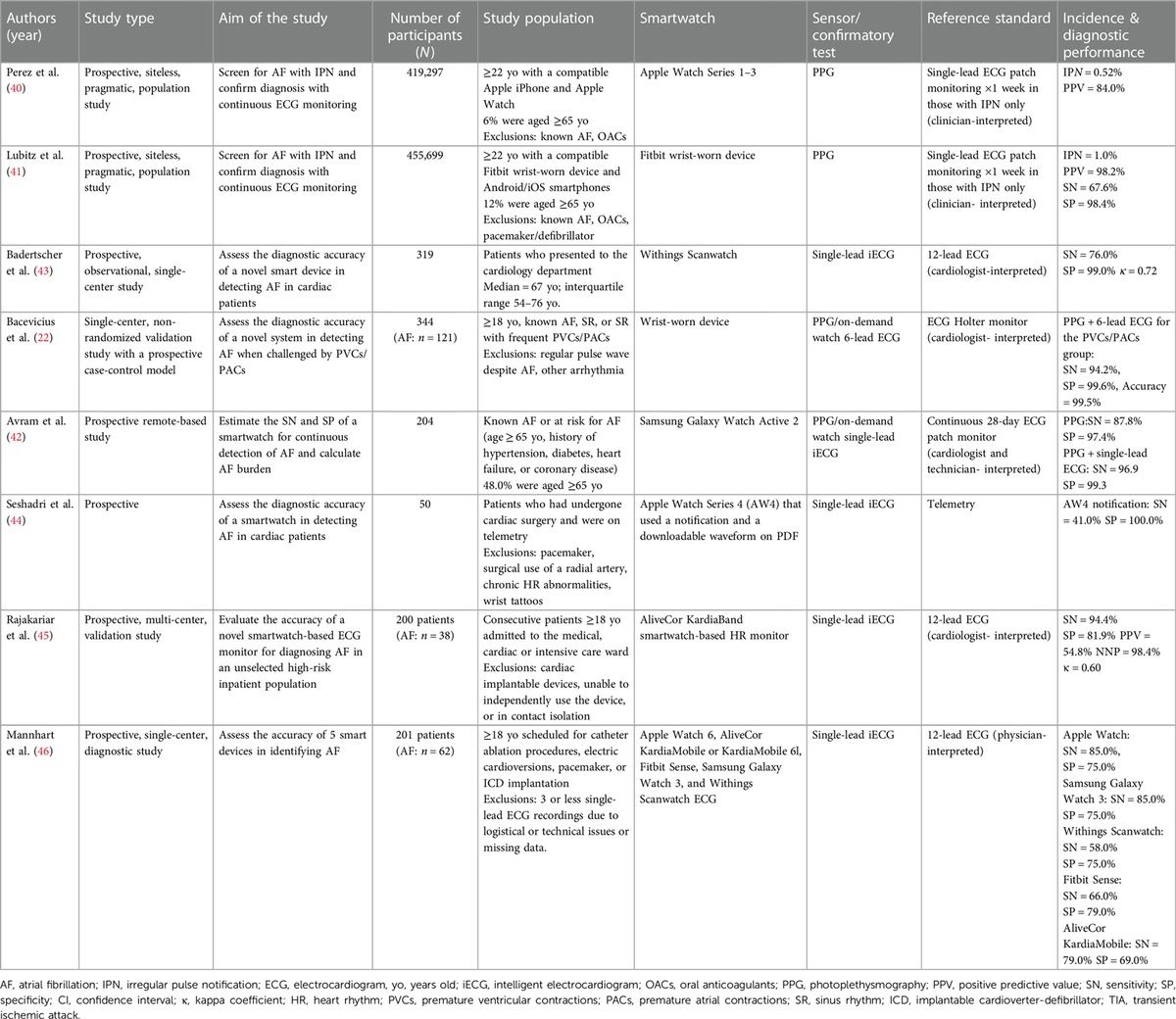
Revolutionizing Cardiac Monitoring
Artificial intelligence-powered smartwatches are emerging as promising tools for detecting atrial fibrillation (AF), the most common cardiac arrhythmia. These devices offer several potential advantages:
- Non-invasive, easy-to-use technology for continuous heart rhythm monitoring
- Early detection of AF in high-risk but asymptomatic individuals
- Potential reduction in AF burden through timely intervention
Key Considerations
While smartwatches show promise, several important factors must be addressed:
- Identifying populations that would benefit most from AF screening
- Optimizing AI algorithms to improve accuracy and reduce false positives
- Developing protocols for data management and integration into clinical workflows
- Addressing privacy and security concerns around health data collection
The Road Ahead
Currently, there is no consensus among medical societies regarding widespread AF screening using smartwatches. Large clinical trials are needed to:
- Demonstrate the clinical impact and cost-effectiveness of this approach
- Establish best practices for implementation in healthcare settings
- Determine how smartwatch data can be meaningfully integrated into patient care
As this technology evolves, it has the potential to significantly change how AF is detected and managed, potentially leading to earlier interventions and improved patient outcomes.