
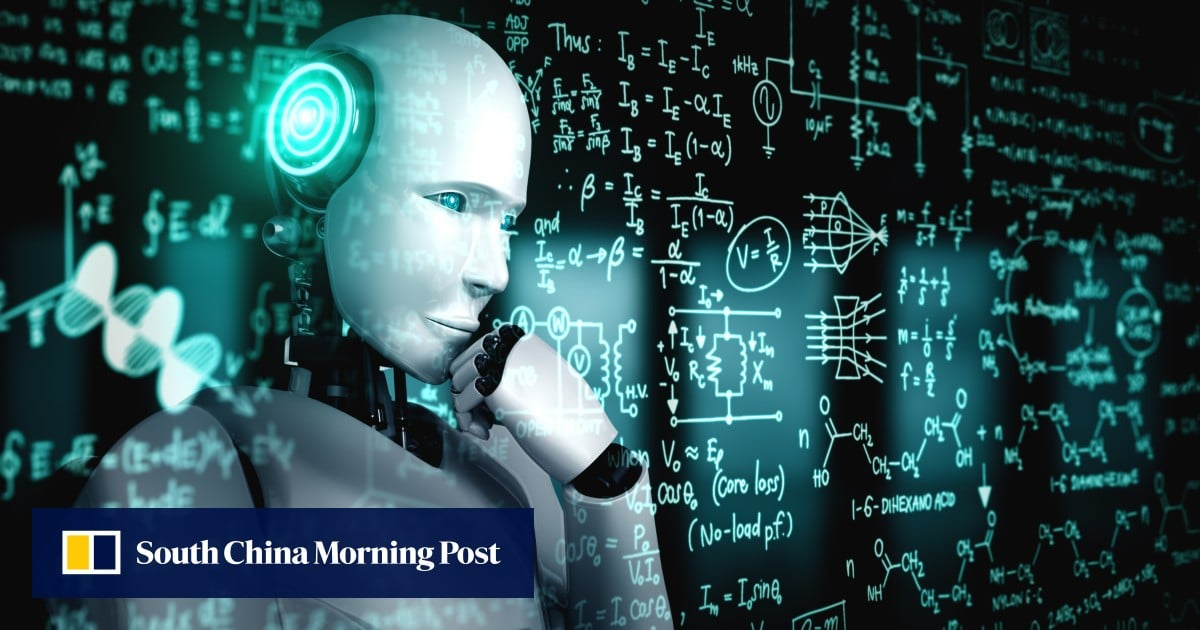
The Rise of AI Chatbots in China
China has witnessed a surge in AI chatbot development, with over 200 large language models (LLMs) created to power generative AI services. These chatbots are designed to assist users with various tasks, from content creation to everyday problem-solving. However, a recent incident on a Chinese reality show exposed a significant weakness in these AI models: their struggle with basic mathematics.
The Math Blunder
- On the singing competition “Singer 2024,” a voting discrepancy sparked online debate
- AI chatbots, including Moonshot AI’s Kimi and Baichuan’s Baixiaoying, initially gave incorrect answers when asked to compare vote percentages
- The chatbots only provided correct answers after users guided them through a step-by-step reasoning process
Understanding the Limitations
Experts explain that LLMs lack inherent mathematical capabilities and rely solely on training data to predict answers. This limitation extends beyond Chinese AI models, as even advanced LLMs like GPT-4 and Claude 3.5 Sonnet have shown similar weaknesses in number comparisons. The incident highlights the ongoing evolution of AI technology and the challenges it faces in mastering fundamental skills.
Implications for AI Development and Regulation
This math mishap underscores the need for continued improvement in AI technology. It also raises questions about the readiness of AI for widespread implementation and regulation. Chinese experts suggest that the rapidly evolving nature of AI may delay efforts to establish unified national legislation. As AI continues to develop, users and developers must remain aware of its current limitations while working towards more robust and reliable systems.





