The Evolution of Olympic Timekeeping
The 1960 Rome Olympics witnessed a controversial gold medal decision in men’s 100-meter freestyle swimming. Australian John Devitt and American Lance Larson finished with identical times, but Devitt was awarded gold despite Larson being technically faster. This incident highlighted the limitations of manual timekeeping and sparked a revolution in Olympic timing technology.
Key Developments in Olympic Timing
- Introduction of touch boards in 1968 to eliminate human error in swimming events
- Electronic starting pistols connected to speakers behind each athlete for fair starts in staggered-lane races
- Scan-o-Vision technology capturing up to 40,000 digital images per second for instant photo finish decisions
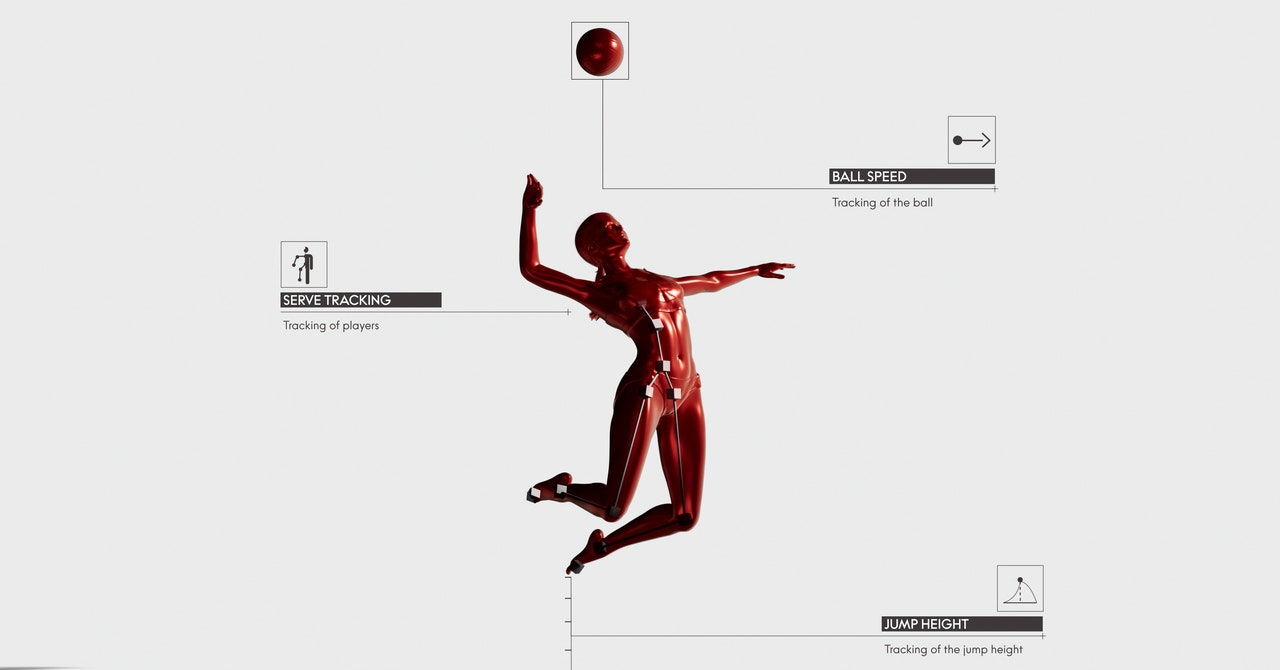
- Motion sensors on athletes’ clothing introduced in 2018 to analyze full performance metrics
The Future of Olympic Timing
Omega’s Swiss Timing has transformed Olympic timekeeping from simple start-finish measurements to comprehensive performance analysis. The company’s innovations aim to provide a more accurate, fair, and detailed account of athletic achievements. As technology continues to advance, Olympic timing will likely become even more sophisticated, offering deeper insights into athletes’ performances and enhancing the spectator experience.