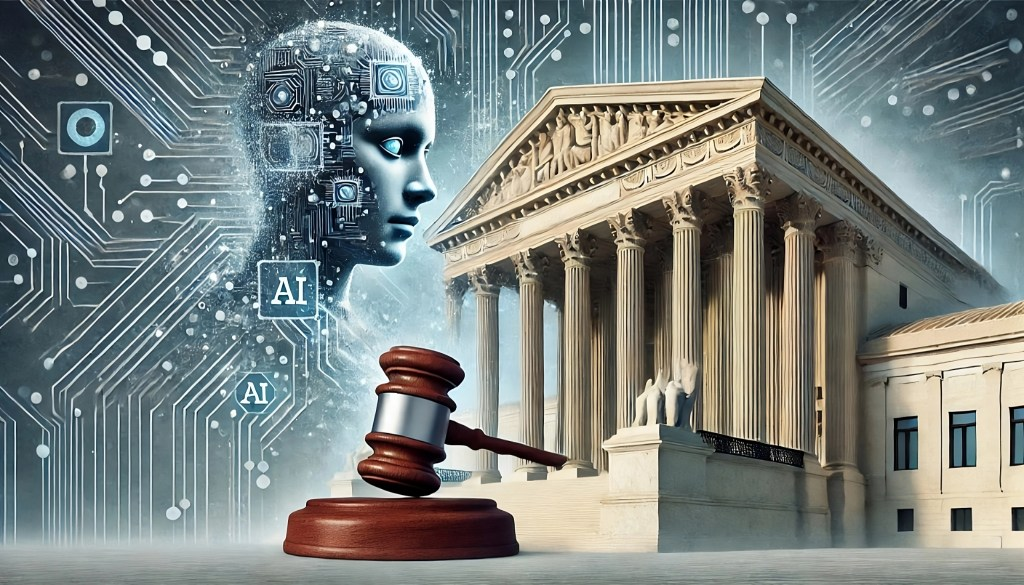
Regulatory Uncertainty Looms
The future of AI regulation in the United States faces significant uncertainty due to recent developments. A Supreme Court decision weakening federal agencies’ authority and potential political shifts are reshaping the regulatory landscape. This new environment could have far-reaching implications for AI development, implementation, and oversight.
Key Developments and Challenges
- Supreme Court ruling in Loper Bright Enterprises v. Raimondo overturns “Chevron deference,” shifting power from agencies to the judiciary
- Federal agencies’ expertise in AI may be sidelined in favor of judicial interpretation
- Potential political changes could lead to reduced AI regulations and a focus on innovation over restrictions
- Divergence from global regulatory trends, particularly those in the EU and UK
The Bigger Picture
These changes could result in a regulatory mismatch between the U.S. and other countries, potentially complicating international cooperation and standards development. While reduced regulation might spur innovation, it could also raise concerns about AI ethics, safety, and societal impact. The tech industry may need to take a more proactive role in self-regulation and transparency to maintain public trust. As the landscape evolves, collaboration between policymakers, industry leaders, and the tech community will be crucial to ensure responsible AI development that balances innovation with ethical considerations and societal benefits.