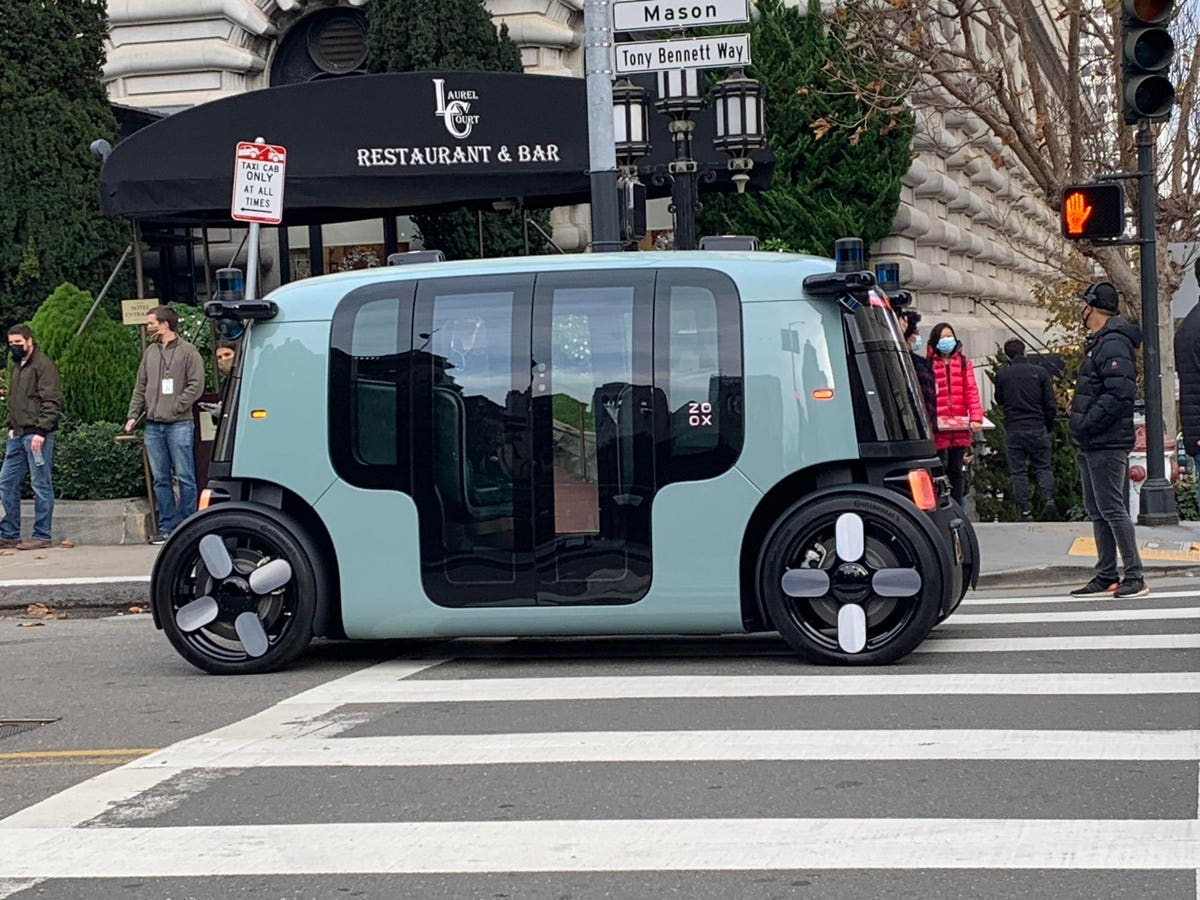
The Future of Autonomous Transportation
The robotaxi industry is at a crossroads, with two competing models vying for dominance. On one side, companies like Waymo, Cruise, and Zoox are developing dedicated robotaxi fleets for transportation services. On the other, some envision a future where individuals own autonomous vehicles and rent them out when not in use.
Key Points in the Debate
- Fleet operators benefit from economies of scale and can design custom vehicles optimized for taxi service
- Private owners could share costs between personal use and taxi service, potentially fooling themselves about depreciation costs
- Dedicated fleets may dominate off-peak hours, while private vehicles could serve peak demand periods
- Both models require centralized services for mapping, software updates, and regulatory compliance
Economic and Practical Considerations
The ultimate winner in this debate remains uncertain. Factors such as vehicle wear and tear, maintenance costs, and user preferences will play crucial roles. While private ownership offers flexibility, dedicated fleets may provide more consistent service quality. As the industry evolves, a hybrid model combining both approaches could emerge, with private vehicles supplementing fleet capacity during high-demand periods.