A Strategic Pivot in Autonomous Driving
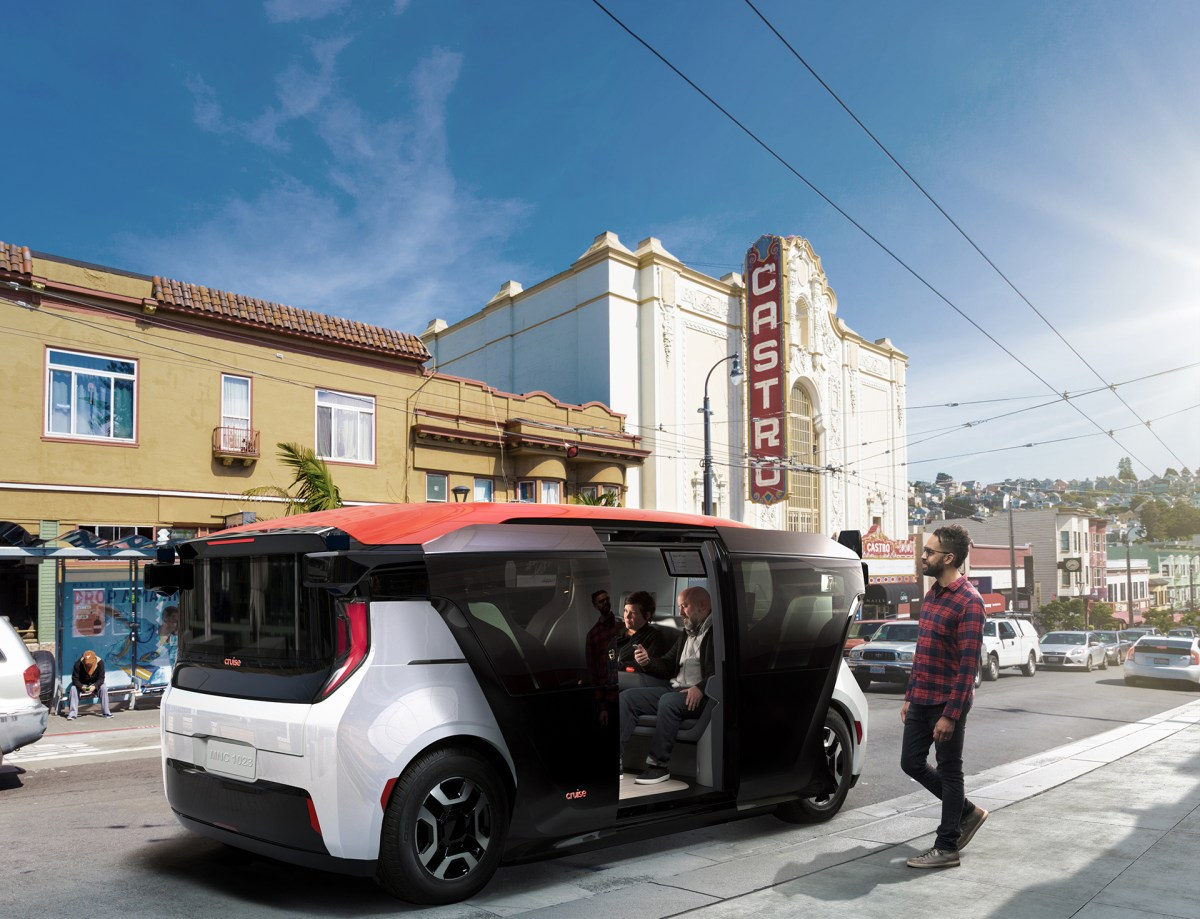
General Motors (GM) has announced a significant change in its autonomous vehicle strategy. The company is abandoning plans to produce the Cruise Origin, a purpose-built robotaxi without traditional controls, and will instead focus on developing an autonomous version of the next-generation Chevrolet Bolt. This decision marks a major shift in GM’s approach to self-driving technology and reflects the challenges faced by the autonomous vehicle industry.
Key Details of the Shift
- GM cites regulatory uncertainty and cost optimization as primary reasons for the change
- The company reported a $583 million financial charge related to the Origin project
- Cruise, GM’s self-driving subsidiary, posted a $1.14 billion operating loss in Q2 2023
- Production of the autonomous Chevy Bolt is expected to begin in 2025
Implications for the Autonomous Vehicle Industry
This strategic pivot underscores the ongoing challenges in bringing fully autonomous vehicles to market. The decision to use a modified version of an existing vehicle rather than a purpose-built robotaxi highlights the need for more practical and cost-effective approaches in the industry. It also reflects the regulatory hurdles faced by companies developing vehicles without traditional controls. As the autonomous vehicle landscape continues to evolve, other companies may follow GM’s lead in reassessing their strategies and focusing on more immediately achievable goals.