
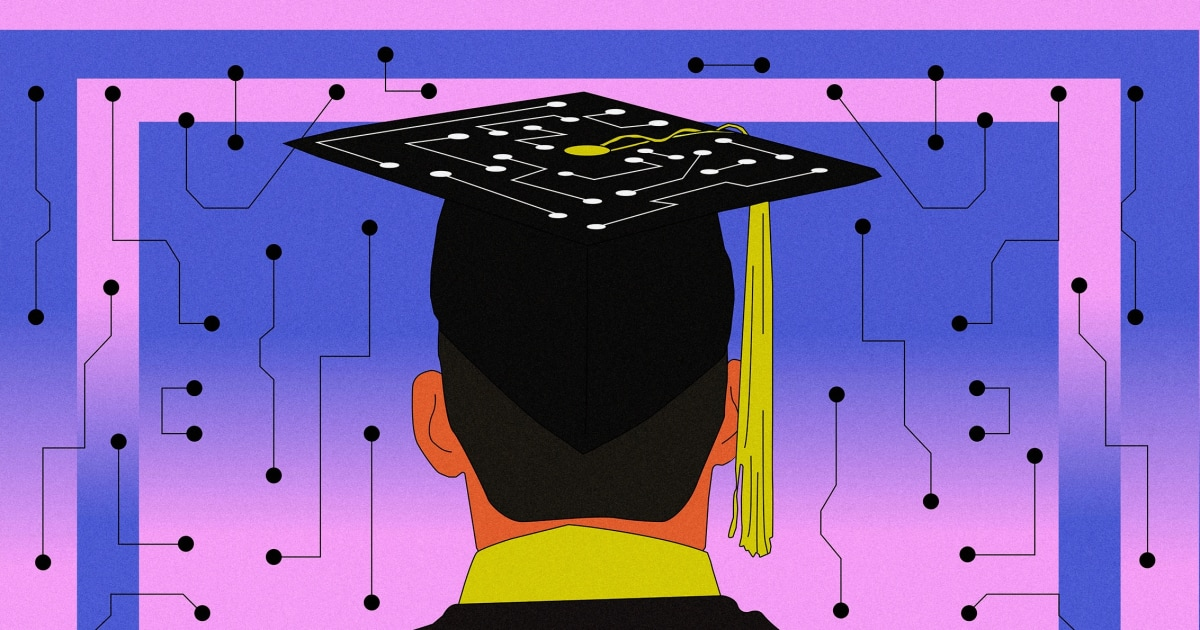
The Rise of AI Undergraduate Programs
As artificial intelligence gains momentum, universities are introducing AI bachelor’s degrees to meet growing industry demands. From Arizona State to UT Dallas, these programs aim to equip students with specialized skills in a competitive job market.
Key Developments
- 13 major colleges have launched AI bachelor’s degrees in the last six years
- Carnegie Mellon pioneered the trend in 2018 with its B.S. in Artificial Intelligence
- Prestigious institutions like MIT, UPenn, and Purdue now offer AI undergraduate degrees
- Programs focus on interdisciplinary skills, combining AI with business, healthcare, and more
Impact on Career Prospects
Early indicators suggest AI degrees may give graduates an edge in the job market. While the tech industry faces challenges, AI majors are finding opportunities in various sectors:
- Big Tech companies have shown strong interest in AI graduates
- Students are securing internships and jobs in healthcare, finance, and robotics
- The specialized nature of AI degrees may help graduates stand out in a competitive landscape
The Bigger Picture
The emergence of AI undergraduate programs reflects the growing importance of artificial intelligence across industries. As AI continues to transform various sectors, these degrees aim to bridge the skills gap and prepare students for the future of work. However, questions remain about the long-term value of these specialized degrees compared to traditional computer science programs.





