The Incident
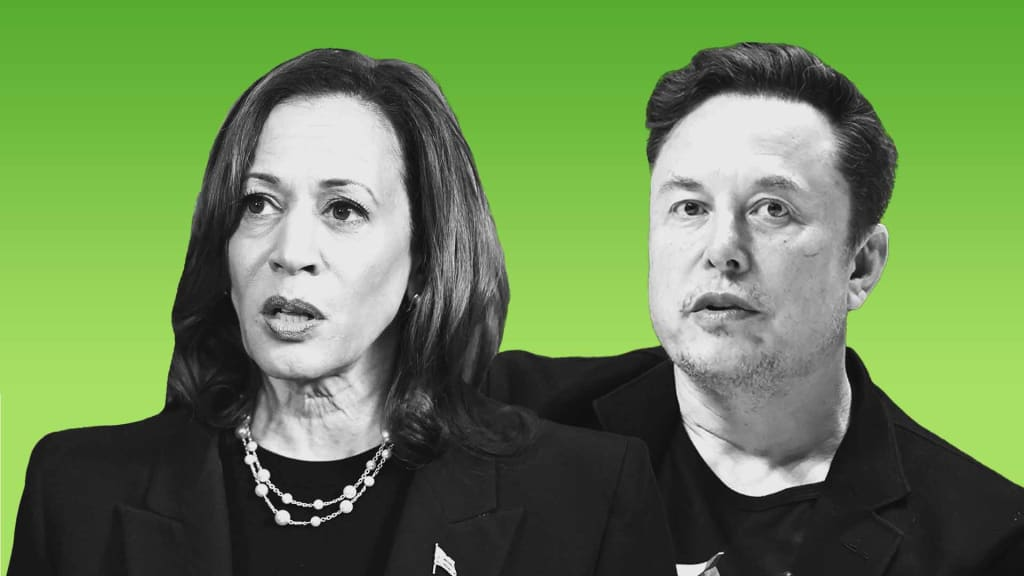
Elon Musk, the billionaire owner of X (formerly Twitter), recently shared a digitally altered video of Vice President Kamala Harris. The original campaign video was manipulated to replace Harris’ inspirational message with controversial and offensive content. Musk’s repost, which he described as “amazing” with a laughing emoji, has sparked a heated discussion about AI safety, deepfakes, and election misinformation.
Key Details
- The altered video replaced Harris’ speech with false claims about President Biden and derogatory comments about Harris herself.
- The original uploader labeled the video as a “PARODY,” but this context was lost when Musk shared it.
- The video has been viewed over 100 million times, potentially reaching Musk’s nearly 200 million followers.
- X’s own terms of service prohibit sharing manipulated media that may deceive or confuse people.
Implications and Concerns
This incident highlights the growing challenges of combating misinformation in the age of AI-powered content manipulation. As deepfake technology becomes more sophisticated, distinguishing between genuine and altered content becomes increasingly difficult. The situation raises questions about the responsibilities of social media platforms and their high-profile users in preventing the spread of misleading information, especially during critical election periods. With legal and regulatory focus intensifying on deepfake content, Musk’s actions may have far-reaching consequences for the ongoing debate surrounding AI ethics, free speech, and the integrity of online information.