
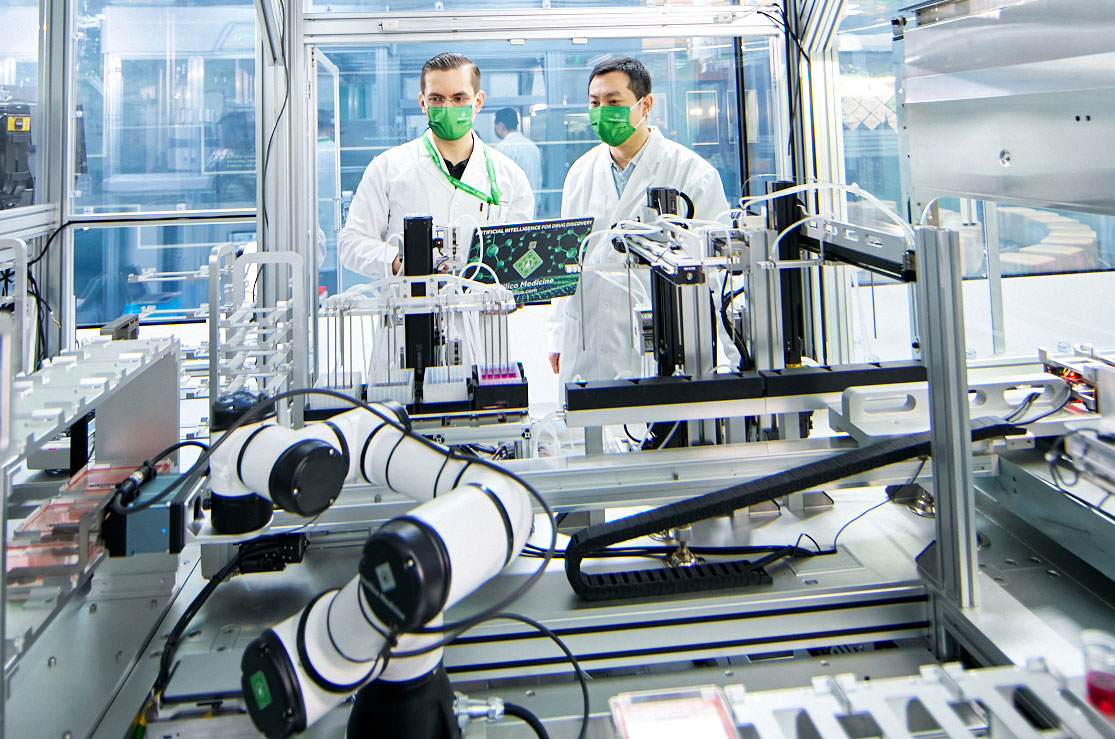
Navigating the AI Revolution in Pharmaceutical Research
The integration of artificial intelligence (AI) into drug discovery has been a journey of both promise and pitfalls. While generative AI has made significant strides in various fields, its application in pharmaceutical research has faced unique challenges. The industry has witnessed the rise and fall of numerous AI-powered drug discovery (AIDD) startups, leading to a period of consolidation and reevaluation.
Key Insights:
- The AIDD industry is experiencing major consolidation, resulting in substantial losses for investors.
- Many overhyped AI startups aiming to disrupt pharma have failed or transformed into traditional biotech companies.
- Financial hype, often driven by high-profile investors and large capital raises, can be particularly dangerous in this field.
Separating Hype from Progress
To distinguish between hype and genuine advancements in AI-powered drug discovery, it’s crucial to focus on measurable results and experimental validation. Key questions to consider when evaluating AIDD companies include:
- The number of internally discovered drugs in various clinical trial phases
- Progress of pharma partnerships into clinical trials
- The rate and cost of nominating preclinical candidates (PCCs)
- The novelty of targets and molecules
- Revenue and growth metrics
The Path Forward
While AI has shown potential to reduce preclinical development time and increase success probability, it’s essential to maintain rigorous standards in clinical trials. The true impact of generative AI on drug discovery will likely become evident between 2026 and 2029, with the potential delivery of a blockbuster therapeutic benefiting a large patient population. As the field matures, it’s crucial to balance innovation with realistic expectations and thorough validation.





