
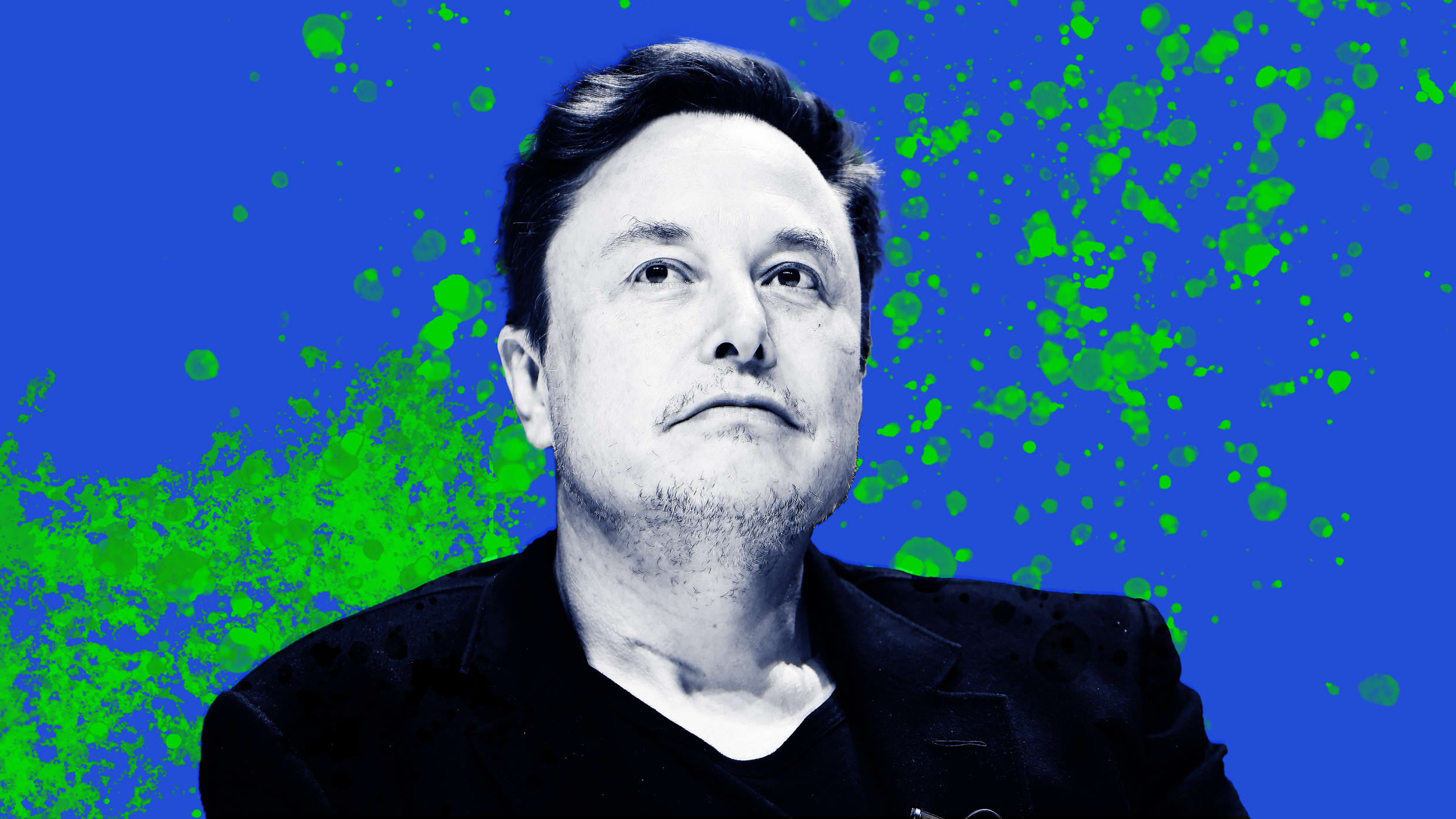
Deepfakes and Disinformation
The recent incident involving Elon Musk sharing a deepfake video of Kamala Harris highlights the growing threat of AI-generated misinformation in politics. Despite X’s community guidelines, Musk’s actions as the platform’s owner sent a troubling message about the acceptability of such content. Experts warn that regulating AI to prevent such videos will be extremely challenging, emphasizing the need for improved social media literacy.
Key points:
- Musk shared a deepfake video of Kamala Harris, violating X’s guidelines
- Regulating AI to prevent deepfakes is difficult
- Social media literacy education is crucial for combating misinformation
The Future of Political Advertising
AI could revolutionize political advertising through hyper-personalization. This approach would use individual voter data, including demographics, voting history, and social media activity, to create tailored ads. While still theoretical, this method could leverage large language models (LLMs) to generate personalized content based on a voter’s psychological profile and key issues.
- Hyper-personalized ads could target individual voters
- AI could use voter data to create tailored political messages
- LLMs might generate personalized ad copy and rapid-response videos
AI Model Performance and Hallucinations
A recent study by Galileo evaluated 22 leading LLMs for their tendency to hallucinate, or generate false information. Anthropic’s Claude 3.5 Sonnet model performed best in this regard. As AI continues to evolve, reducing hallucinations remains a critical challenge for enterprise AI teams developing production-ready generative AI products.
The rapid advancement of AI technology in politics and advertising raises significant concerns about the integrity of information and the potential for manipulation in democratic processes. As these tools become more sophisticated, the need for digital literacy, robust regulations, and ethical AI development becomes increasingly urgent.





