
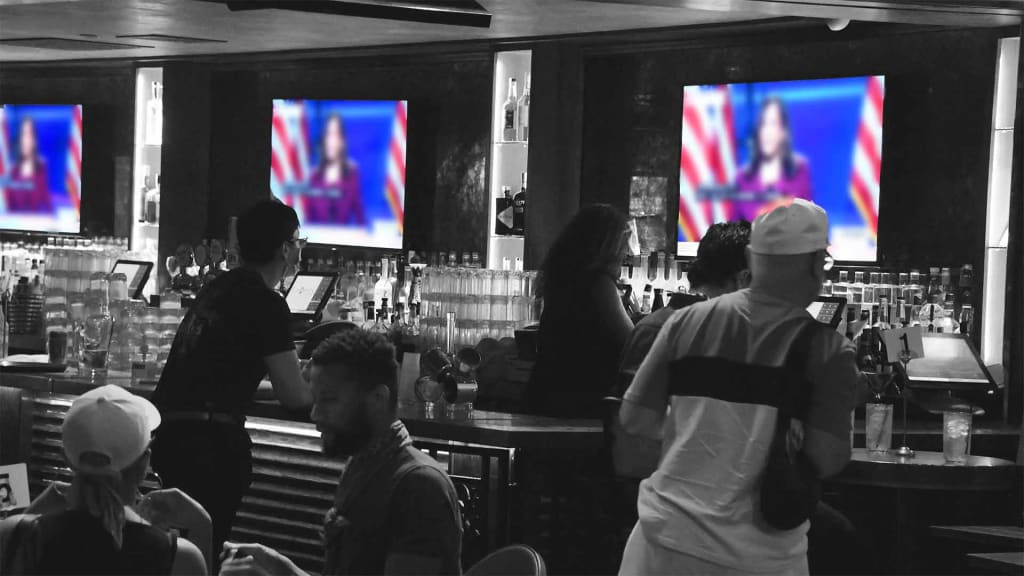
The Deepfake Dilemma
The U.S. Copyright Office has issued a report highlighting the urgent need to address the threats posed by deepfake technology. While deepfakes have some positive applications, such as providing digital voices to those who have lost their ability to speak, the potential for misuse is significant and far-reaching.
Key Concerns and Recommendations
- Deepfakes pose risks to celebrities, politicians, and private citizens alike
- The technology can be used for various crimes, including sex crimes and financial fraud
- The Copyright Office suggests extending liability to those who share deepfakes, not just creators
- Protection against deepfakes should last throughout a person’s lifetime and briefly after death
- A “safe harbor mechanism” for online providers to remove offending content is recommended
Broader Implications and Industry Response
The report underscores growing concerns among government officials and industry experts about the potential misuse of AI-generated content. Recent incidents, such as a deepfake video of Kamala Harris shared by Elon Musk on X, highlight the technology’s ability to spread misinformation rapidly. In response to these threats, various sectors are taking action. The actors’ union SAG-AFTRA has updated its contracts to ensure that voice acting roles in animated TV shows are performed only by real humans.
While the Copyright Office’s recommendations aim to address the deepfake challenge, they also raise questions about the balance between regulation and free speech. As AI technology continues to advance, finding effective ways to mitigate its risks while preserving its benefits remains a critical challenge for policymakers, tech companies, and society as a whole.





