The Rise of AI in Comics
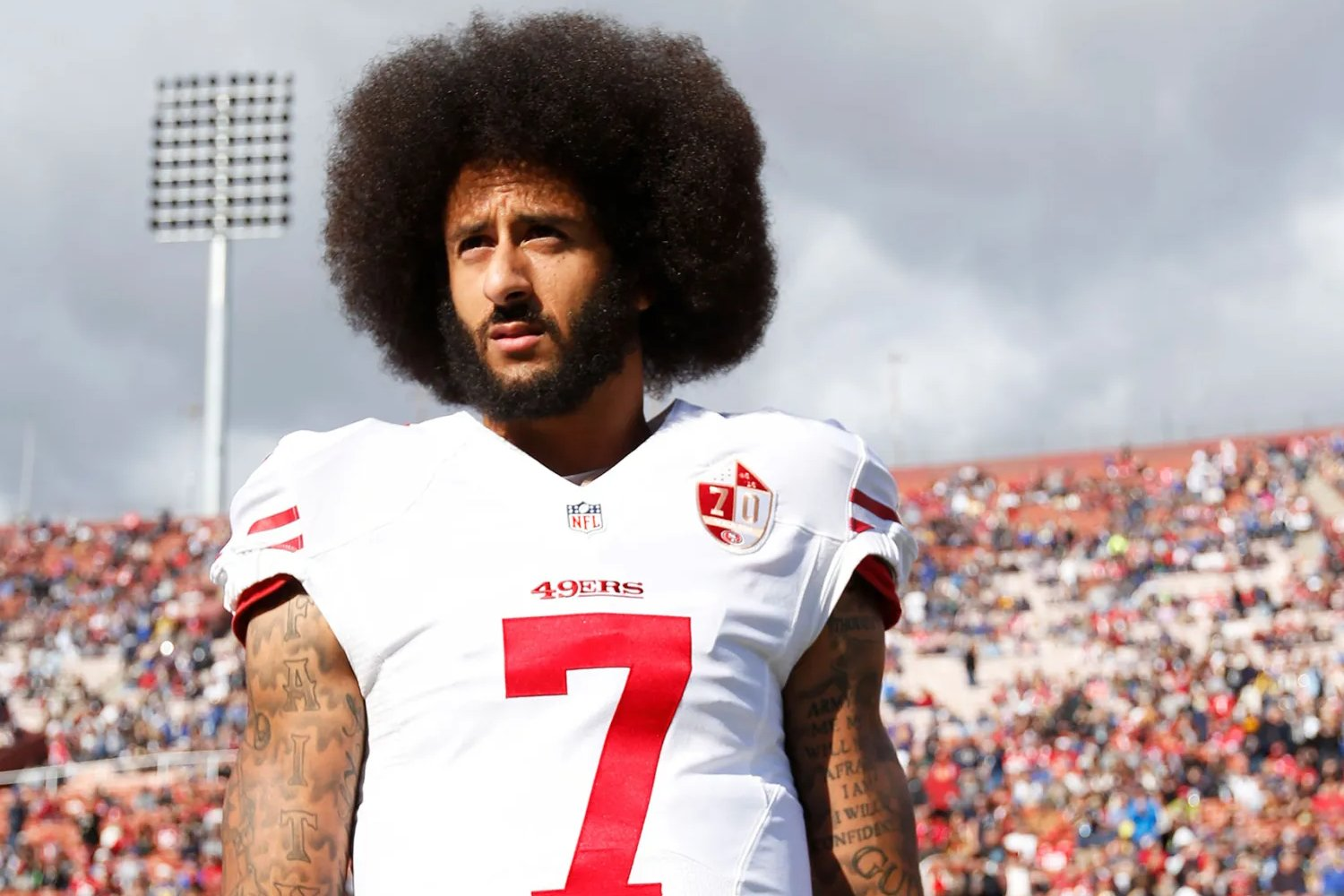
The emergence of generative AI in the creative industry has sparked intense debate, particularly in entertainment sectors like Hollywood and video games. Now, the comic book world faces a similar challenge with the launch of Lumi, a new AI-powered comic book company founded by activist and former NFL player Colin Kaepernick. This development has raised concerns about the impact of AI on traditional creative processes and the livelihoods of artists.
Key Points of Contention
- Lumi plans to use generative AI to create and write comics, with $4 million in funding.
- Kaepernick claims the company will “level the playing field” for aspiring creators.
- Critics argue that AI-generated content is essentially stealing from existing works.
- Artist Khary Randolph alleges that Kaepernick ignored warnings about the potential harm of this technology.
Ethical Implications and Industry Pushback
The use of AI in creative fields raises significant ethical concerns. Many argue that true creativity requires human effort, skill development, and originality. The comic book industry, like other creative sectors, values the authenticity and craftsmanship that comes from human artists and writers. The introduction of AI-generated content threatens to undermine these principles and potentially harm the livelihoods of professional creators. As the debate continues, it’s clear that the integration of AI in creative industries will remain a contentious issue, challenging traditional notions of authorship, creativity, and fair compensation for artists.