Sustainable Palm Oil Production
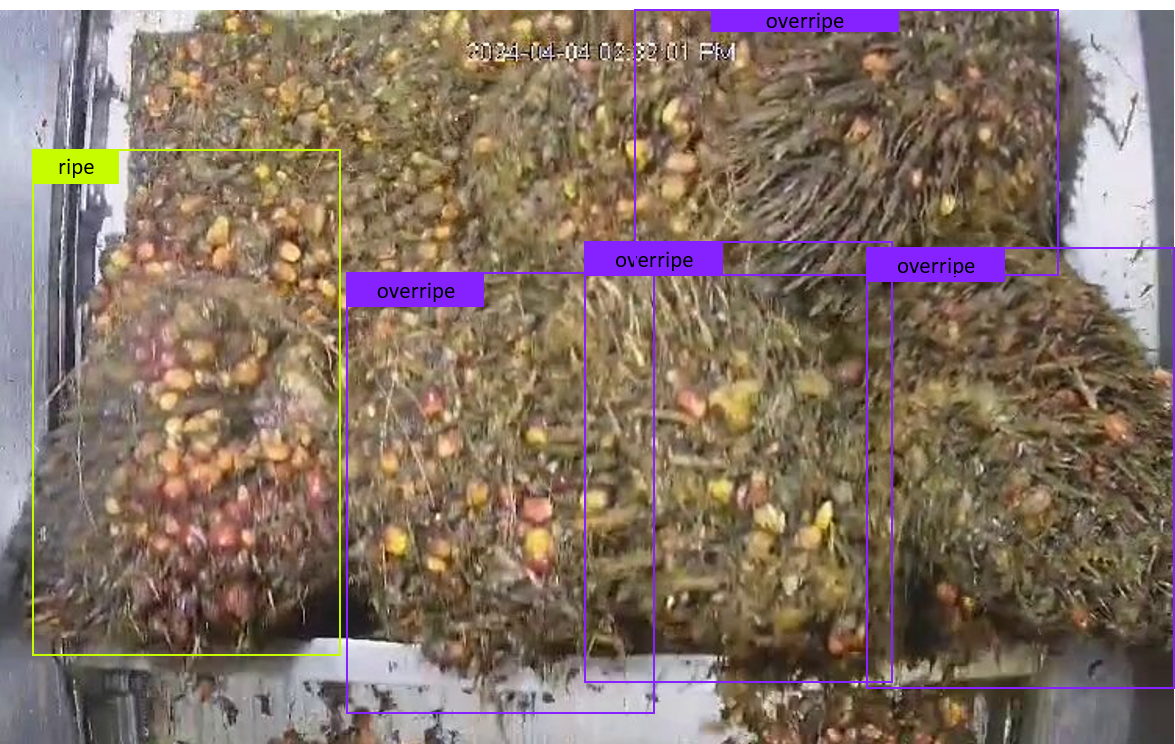
Colombian researchers are leveraging deep learning models to revolutionize oil palm fruit harvesting. This innovative approach aims to enhance productivity in existing plantations without expanding into new areas, thus preserving forests and biodiversity. The project, led by Cuban researcher Isis Bonet Cruz, uses video footage to classify oil palm fruits based on ripeness, offering real-time insights for optimal harvesting.
Key Developments:
- Deep learning model classifies fruits as green, ripe, or overripe
- Technology applicable in both processing and harvesting areas
- Potential to reduce unnecessary use of water and fertilizers
- International collaboration supported by UK’s Royal Academy of Engineering
Global South’s Role in Climate Solutions
This project exemplifies how countries in the Global South are developing tailored solutions to address local challenges. Bonet emphasizes the importance of international collaboration in fostering knowledge exchange and resource sharing. The Global South’s leadership in tackling climate change and related issues provides valuable experiences that can benefit regions worldwide. Additionally, Colombia’s efforts to preserve its palm species diversity, including food-producing varieties like Taparo and Chontaduro, highlight the country’s commitment to sustainable practices and biodiversity conservation.