Overview of AI in Surgery
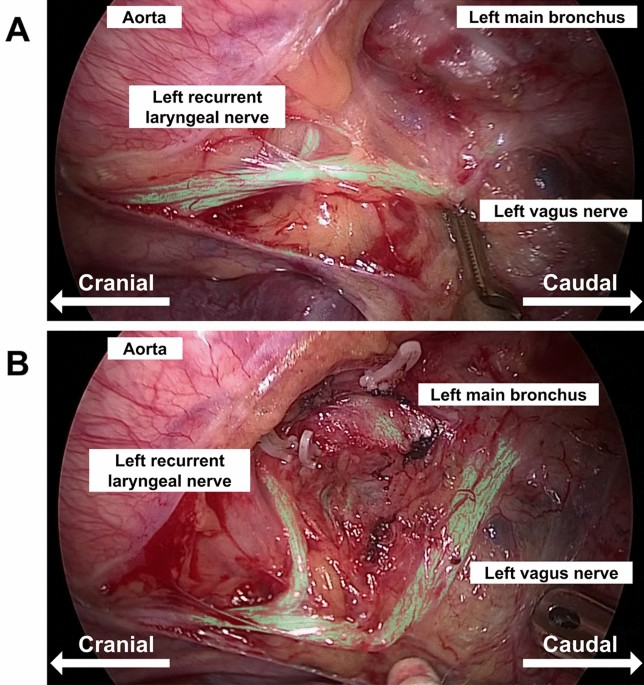
An innovative AI surgical support system has demonstrated promising results in recognizing thoracic nerves during surgery. Utilizing deep learning technology, the system provides real-time feedback to surgeons without compromising image quality. Its effectiveness has been validated against expert thoracic surgeons, indicating significant potential for enhancing surgical precision.
Key Highlights
- The AI model achieved a Dice index of 0.56 and a Jaccard index of 0.39, showcasing its proficiency in identifying thin nerve structures.
- Unlike previous models, this AI system can recognize multiple nerve types, including the recurrent, vagus, and phrenic nerves, regardless of surgical context.
- The model’s versatility stems from its ability to annotate all nerve fibers in training images, which enhances its adaptability across different surgical procedures.
- Despite its advancements, limitations include a single-institution study with a small sample size and challenges in recognizing nerves obscured by fat.
Importance and Future Directions
The development of this AI system is a significant step towards improving surgical outcomes. By providing real-time nerve recognition, it can assist surgeons in making more informed decisions during procedures, potentially reducing complications. As the system undergoes further validation and training with diverse surgical images, its accuracy and applicability are expected to increase. This research highlights the growing role of AI in medicine, particularly in enhancing surgical techniques and patient safety.