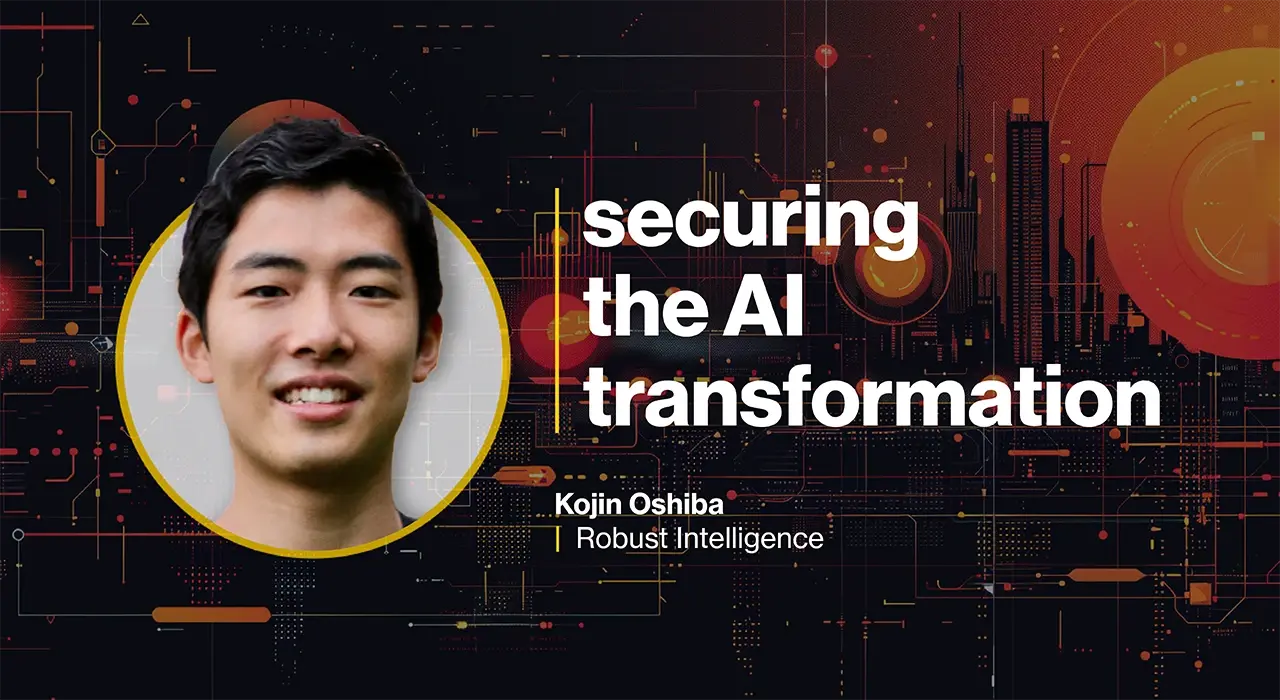
Understanding AI Security Challenges
AI security is a rapidly evolving field, with significant vulnerabilities that need addressing. Kojin Oshiba, co-founder of Robust Intelligence, transitioned from academic research to industry to tackle these issues. His work focuses on developing innovative solutions to protect AI systems from risks, particularly as AI adoption grows. The urgency is heightened as traditional security methods often fall short in safeguarding AI technologies.
Key Points to Note
- AI systems are sensitive to minor data changes, which can lead to major vulnerabilities.
- Robust testing and validation techniques are crucial for identifying weaknesses in AI models.
- The current regulatory landscape is fragmented, with various bodies offering guidelines but few laws enacted.
- Future AI security will need to adapt to new threats as connected systems and autonomous agents become more prevalent.
The Bigger Picture
The importance of AI security cannot be overstated. As organizations increasingly rely on AI, ensuring these systems are secure is vital for maintaining trust and safety. The rapid pace of AI development demands that companies prioritize robust security measures to protect against emerging threats. With the potential for significant consequences from breaches, proactive steps in AI security are essential for the future of technology and society at large.