
Understanding the Breakthrough
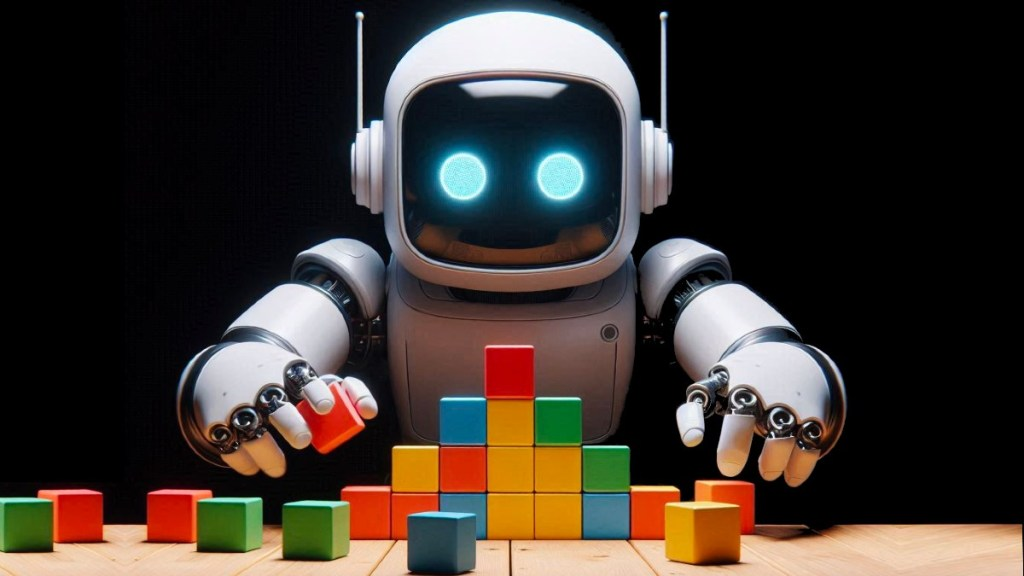
Researchers from Imperial College London and Google DeepMind have introduced a groundbreaking framework called Diffusion Augmented Agents (DAAG). This innovative approach aims to tackle the significant challenge of data scarcity in embodied AI agents, which are designed to interact with the physical world. Unlike traditional AI systems that can easily access vast datasets, embodied agents must learn from real-world experiences, which can be complex and unpredictable. DAAG enhances the learning process by integrating large language models, vision language models, and diffusion models to improve data efficiency and facilitate knowledge transfer across tasks.
Key Features of DAAG
- DAAG enables agents to learn more efficiently by using past experiences and generating synthetic data.
- The framework operates as a lifelong learning system, allowing agents to continuously adapt to new tasks.
- It employs Hindsight Experience Augmentation (HEA) to enhance the agent’s memory and learning capabilities.
- DAAG has demonstrated improved performance in simulated environments, achieving goals faster and with fewer interactions.
The Importance of DAAG
This framework represents a significant advancement in the field of robotics and embodied AI. By allowing agents to learn without constant human supervision, DAAG opens up new avenues for developing adaptable and robust AI systems. Its ability to enhance data efficiency and facilitate knowledge transfer is crucial for creating agents that can navigate complex environments and learn continuously. This work not only addresses the pressing issue of data scarcity but also lays the foundation for the next generation of intelligent robots capable of operating in diverse real-world scenarios.





