Overview of the Innovation
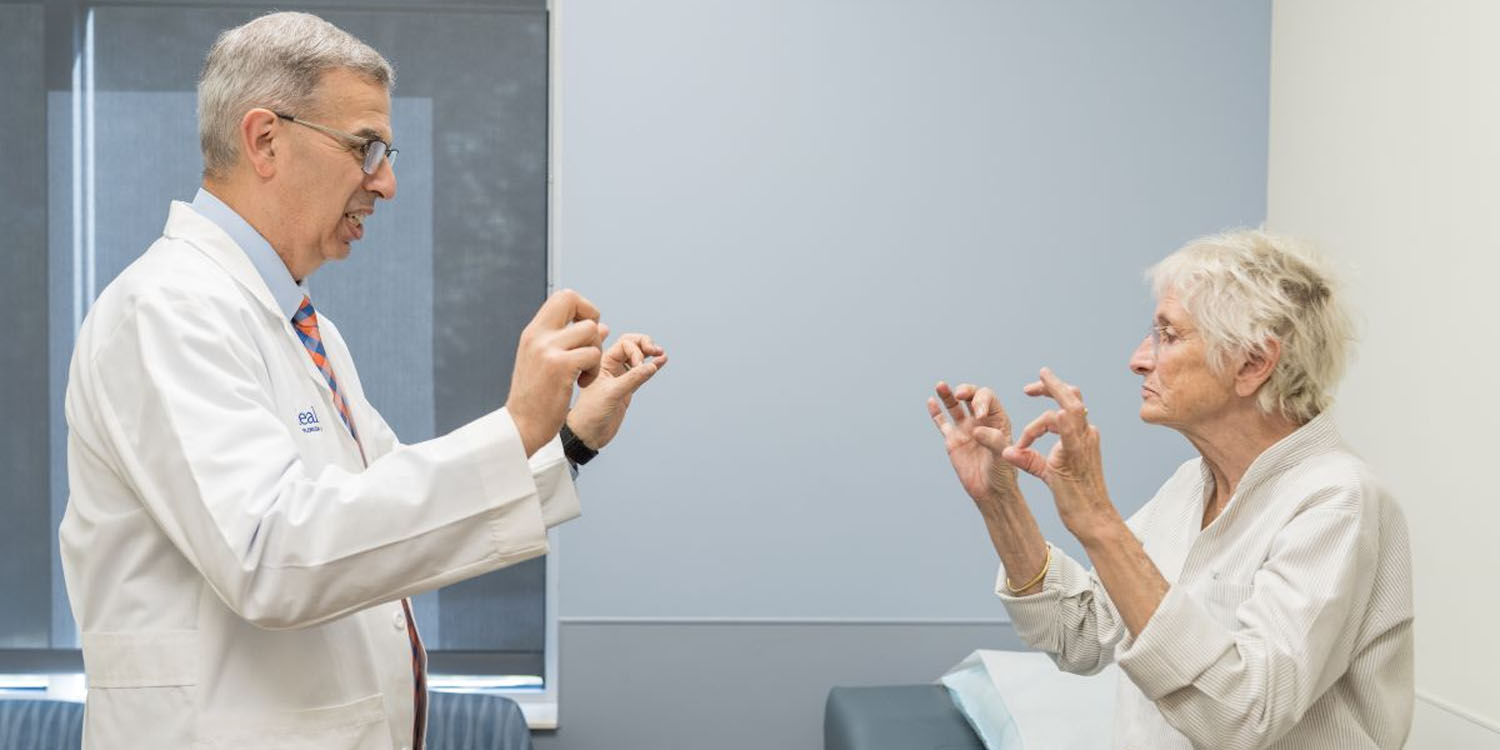
Researchers from the University of Florida have developed a groundbreaking video-processing system aimed at improving how Parkinson’s disease is monitored. This new technology allows patients to record themselves performing a simple hand movement test, which is then analyzed using machine learning. The system aims to identify subtle changes in motor function, providing a more accurate picture of disease progression than traditional methods. The findings were published in IEEE Transactions on Neural Networks, showcasing the potential for remote monitoring and better patient care.
Key Features of the System
- The system analyzes videos of patients performing a finger-tapping test, revealing critical motor function changes.
- It utilizes a custom machine learning pipeline to track hand movements and assess various metrics.
- The new tiered binary classification model achieved an impressive 85% accuracy in distinguishing healthy individuals from those with Parkinson’s.
- The approach highlights different movement features’ importance at various disease stages, improving assessment methods.
Significance and Future Implications
This innovative system could be a game changer for Parkinson’s disease management. By enabling patients to monitor their symptoms at home, it reduces the need for frequent clinic visits, especially for those with mobility issues. Early detection of subtle changes may lead to timely interventions, enhancing patient outcomes. The potential for this technology to transform clinical trials and care practices in neurology is significant, paving the way for more personalized treatment strategies and better overall management of Parkinson’s disease.