
Understanding AGI and Its Distinction from AI
Artificial general intelligence (AGI) represents a significant leap beyond current artificial intelligence (AI) systems. AGI aims to replicate human-like intelligence that can learn, reason, and adapt across various domains. Unlike AI, which is specialized and limited to specific tasks, AGI would have the ability to transfer knowledge and solve unfamiliar problems. This transformative technology is expected to be the most crucial scientific breakthrough in human history. However, the path to AGI is not straightforward, as many believe that large language models (LLMs) will lead directly to AGI. Experts argue that LLMs, which function primarily as prediction engines, lack the deeper understanding and efficiency of the human mind.
Key Insights on AGI Development
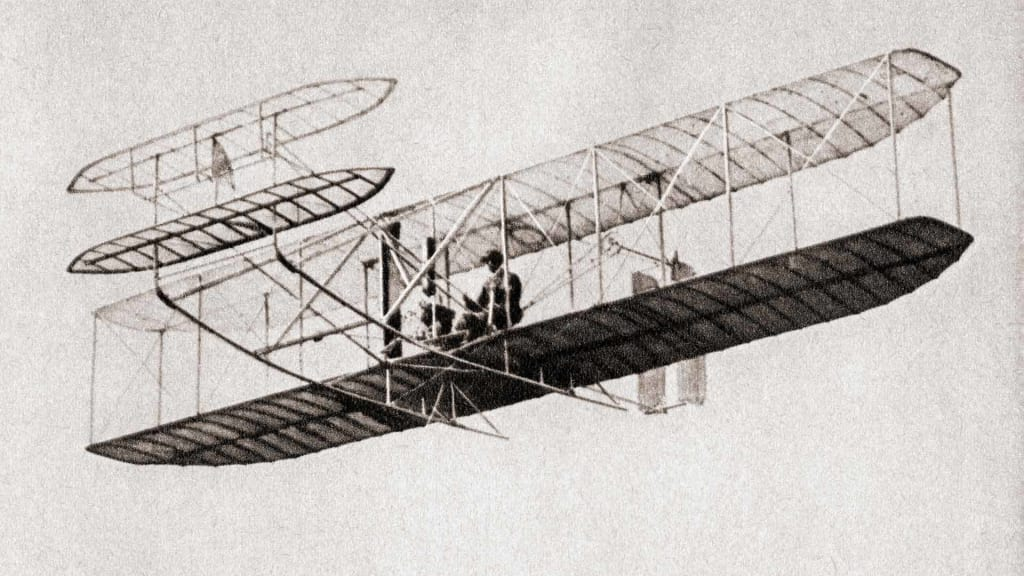
- The study of nature can inspire technological and scientific advancements, much like the Wright Brothers did with flight.
- The Wright Brothers observed birds and learned from their aerodynamic principles to create the first controlled powered aircraft.
- Otto Lilienthal’s research on flight greatly influenced their work, emphasizing the importance of learning from previous pioneers.
- A blend of empirical research, observation, and innovation is essential for developing AGI, similar to the Wright Brothers’ approach to aviation.
The Bigger Picture: Mimicking Nature for AGI
The journey to creating AGI requires a similar mindset to that of the Wright Brothers. By studying natural intelligence and applying scientific principles, researchers can systematically work towards AGI. While LLMs have limitations, the shift in perception towards AGI as a near-term possibility opens new avenues for exploration. Emphasizing nature-inspired design and rigorous experimentation will be key in overcoming the challenges that have historically hindered the development of AGI.





