Understanding the Shift in UI/UX
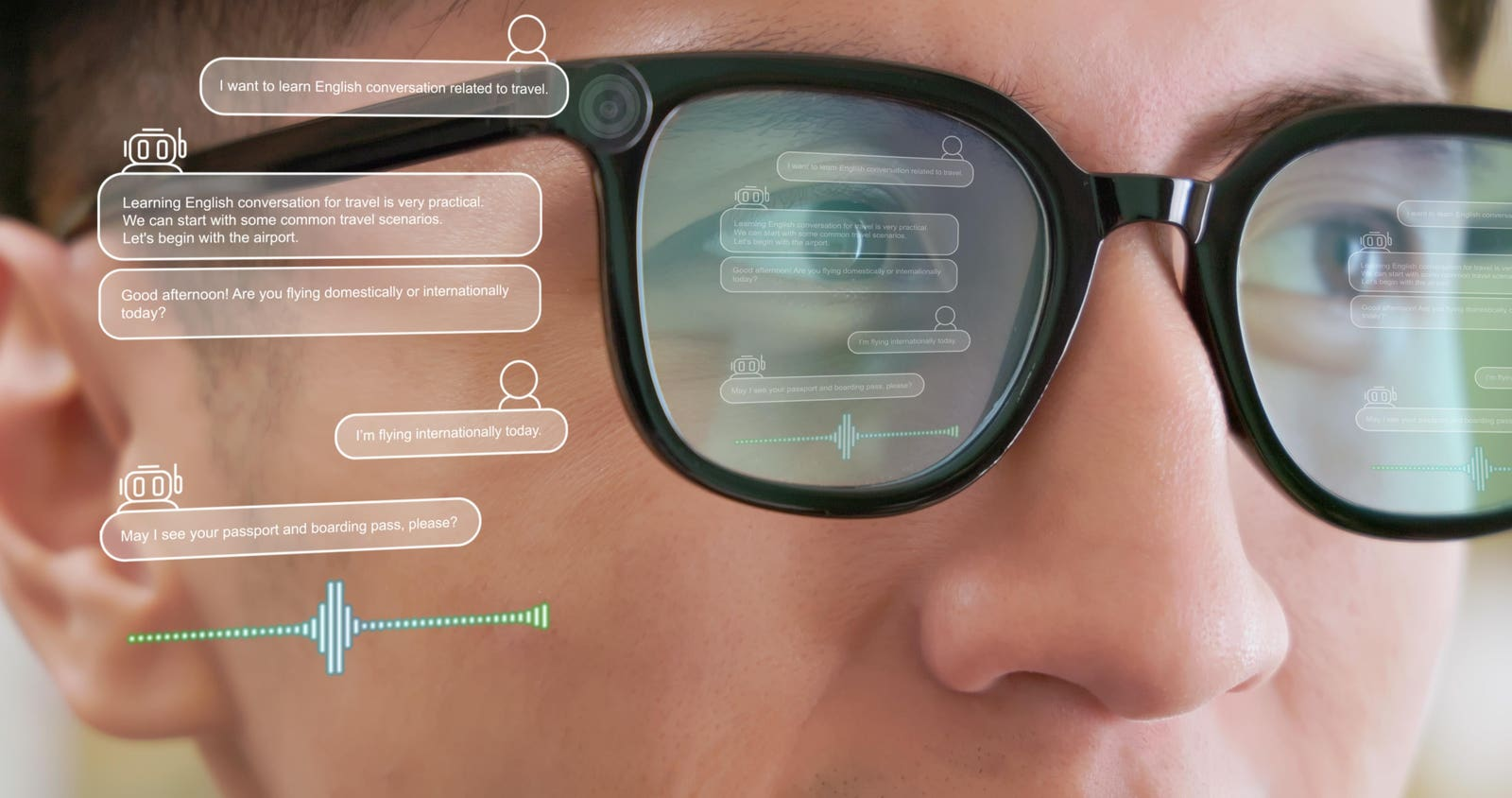
The landscape of user interfaces and experiences is undergoing a significant transformation due to advancements in artificial intelligence, particularly generative AI. This shift is moving away from traditional point-and-click interfaces to more intuitive, conversational interactions. Users are no longer confined to navigating screens filled with tabs and fields. Instead, they can engage with applications through simple verbal prompts, making tasks like summarizing data much easier and more efficient.
Key Insights on AI’s Impact on UI/UX
- Generative AI allows users to interact with software using natural language, simplifying data access.
- The traditional UI/UX design process is often lengthy and complicated, but AI can streamline it significantly.
- Adaptive interfaces can anticipate user needs, reducing unnecessary steps and enhancing workflow.
- AI tools can analyze user behavior, identifying design issues that can be addressed quickly for a smoother experience.
Why This Matters
This evolution in UI/UX is crucial for making technology more user-friendly and aligned with human needs. As generative AI takes center stage, the potential for personalized, context-aware experiences grows. This shift not only improves productivity but also enhances user satisfaction. By embracing these changes, businesses can create interfaces that better serve their users, ultimately leading to more successful and engaging applications.