
Understanding the Dilemma
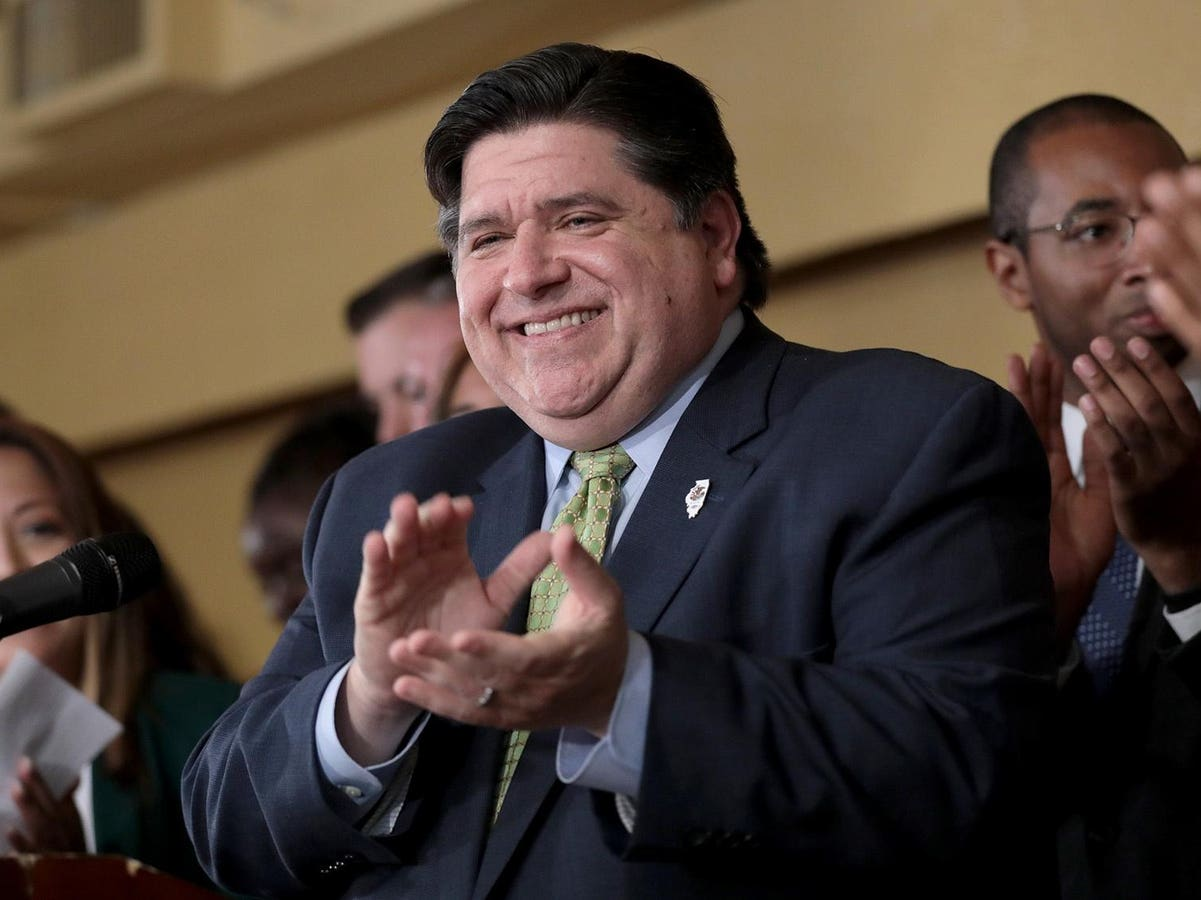
Illinois Governor J.B. Pritzker has sparked a conversation about economic priorities, highlighting the need for financial stability and affordable living. His remarks on Vice President Kamala Harris and Governor Tim Walz reflect a vision for an inclusive economy. However, the challenge remains: how to reconcile immediate economic needs with long-term investments in technologies like Artificial Intelligence (AI).
Key Insights
- Pritzker allocated $230 million in 2020 for AI, aiming to boost Illinois’ tech landscape.
- He invested in National Quantum Information Science Research Centers, partnering with major research institutions.
- While unemployment has decreased, economic growth has slowed, complicating the funding narrative.
- Policymakers face pressure to address urgent community issues like rising living costs and stagnant wages.
The Bigger Picture
This situation illustrates a broader issue for policymakers across the U.S. The tension between funding immediate needs and investing in future technologies can lead to public discontent. While AI and similar advancements promise long-term economic growth and job creation, they may seem distant to those struggling with everyday expenses. Finding a balance is crucial for fostering a sustainable economy that serves all citizens, ensuring that current needs are met while still investing in transformative innovation.





