Overview of the Research
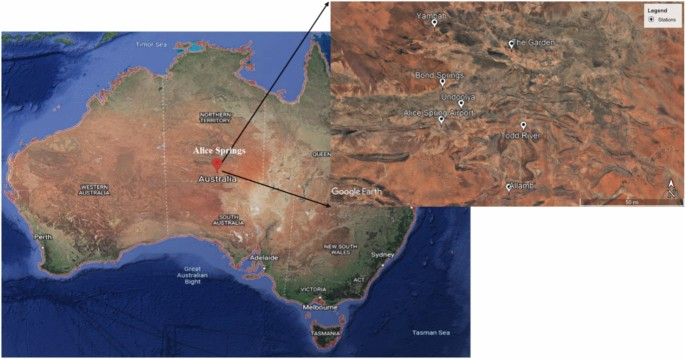
This research focuses on creating a new AI-based drought index to assess and monitor drought conditions using various machine learning techniques. A comprehensive methodology was developed, utilizing climatic data such as maximum temperature, precipitation, and potential evapotranspiration, along with several drought indicators from multiple meteorological stations. The study emphasizes the importance of data quality, employing methods like linear interpolation to handle missing entries and the inverse distance weighting method to align temperature data with precipitation records.
Key Details
- A variety of conventional drought indices were assessed, including SPI, SPEI, and PDSI, to evaluate drought severity and duration.
- AI models like decision trees, support vector machines, and artificial neural networks were employed to enhance the accuracy of drought assessments.
- Hyperparameter tuning was conducted using RapidMiner to optimize model performance.
- Evaluation of models was based on criteria such as Pearson correlation, RMSE, and R2 to ensure reliability and accuracy in predictions.
Significance of the Findings
The development of an AI-based drought index is crucial for improving drought monitoring and management. This innovative approach allows for timely assessments of drought conditions, which is essential for agricultural planning, water resource management, and environmental conservation. By leveraging machine learning, the research offers a more precise and adaptive tool for understanding and mitigating the impacts of drought, ultimately contributing to better preparedness and response strategies in the face of climate change.