
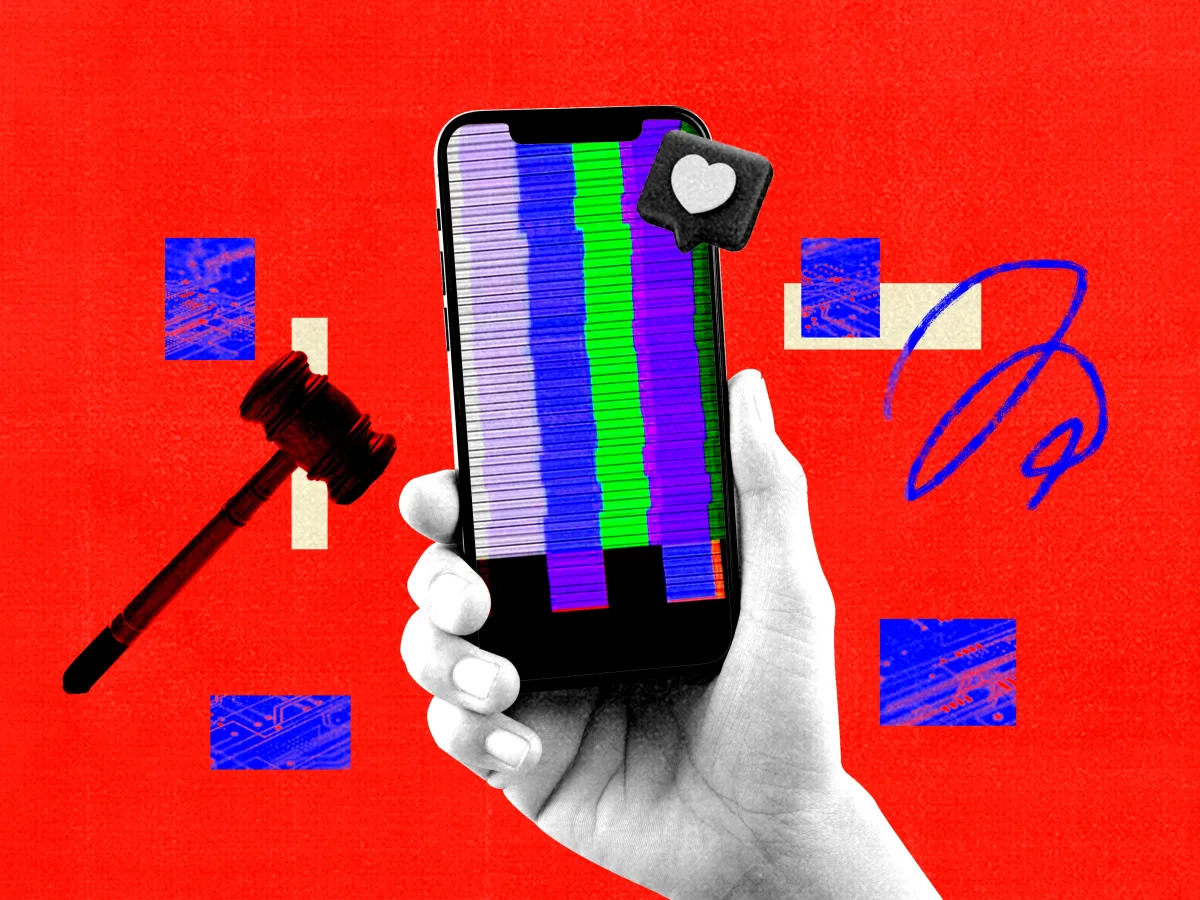
Understanding the Challenge
The rise of artificial intelligence has made it easier to spread misinformation and disinformation on social media. This trend raises serious concerns about public awareness and the integrity of information, especially during critical events like elections or global crises. Legal experts suggest that new laws or enhanced self-regulation by tech companies are crucial for combating this issue. The current legal framework, particularly Section 230, shields social media companies from civil liability regarding user-generated content, making it difficult to hold them accountable for the spread of false information.
Key Insights
- AI-generated content, such as deepfakes, complicates the fight against misinformation.
- Social media companies are largely unregulated, enjoying legal immunity under Section 230.
- Experts advocate for amending this law to impose civil liability on companies for failing to manage misinformation effectively.
- There is hesitation among lawmakers to regulate speech due to First Amendment concerns and potential backlash from the public and tech companies.
The Bigger Picture
Addressing misinformation is vital for the health of democracy and public trust. As misinformation becomes more sophisticated, the need for effective regulation grows. Experts suggest that social media companies should be encouraged to self-regulate, but there is a pressing need for legal frameworks that hold them accountable. The debate over Section 230 highlights the challenges of balancing free speech with the need to combat harmful disinformation. Ultimately, the integrity of information shared online is essential for informed public discourse and the functioning of democratic processes.





