The Rise of AI-Generated Misinformation
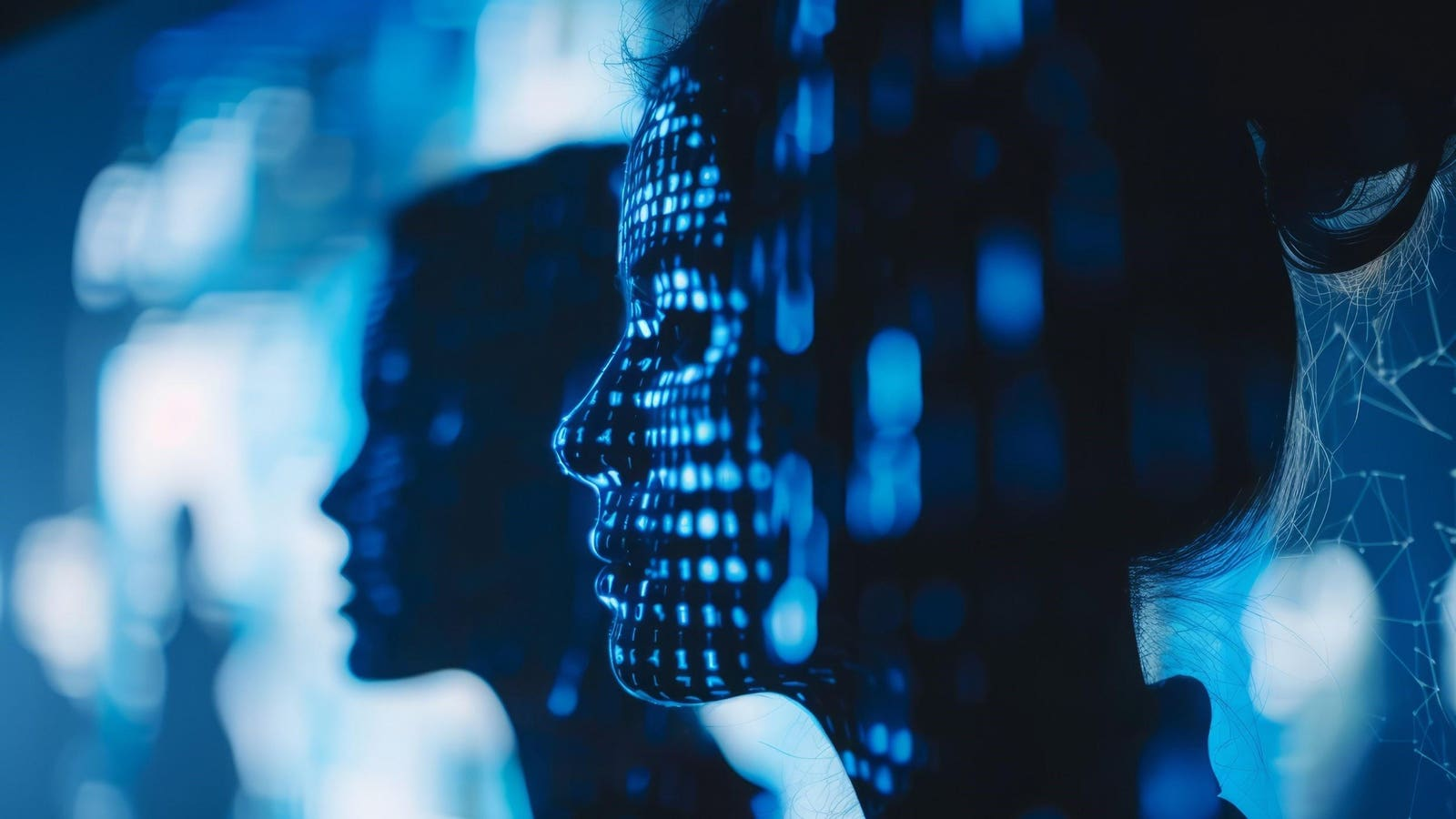
The proliferation of AI-generated fake content on social media platforms has become a pressing concern. With the advent of accessible AI tools, anyone can now create convincing deepfakes, manipulating audio and video to spread misinformation. This surge in artificial content has led to a significant increase in the spread of false information, potentially undermining democratic processes and public trust.
Social Media’s Response
- Meta employs AI algorithms and human fact-checkers to identify and label AI-generated content
- X relies on user-generated “community notes” to flag misleading information
- YouTube removes deceptive content and reduces the visibility of borderline material
- TikTok uses Content Credentials technology to detect and warn users about AI-generated content
The Ongoing Challenge
Despite these efforts, AI-generated misinformation continues to circulate widely on major platforms. While technological and regulatory solutions are crucial, they alone may not be sufficient. Education and critical thinking skills development are becoming increasingly important in navigating this “post-truth” landscape. The fight against fake content requires collaboration between content providers, platform operators, legislators, educators, and users to effectively counter the risks posed by ever-evolving AI tools.