
Understanding the Shift to Edge Computing
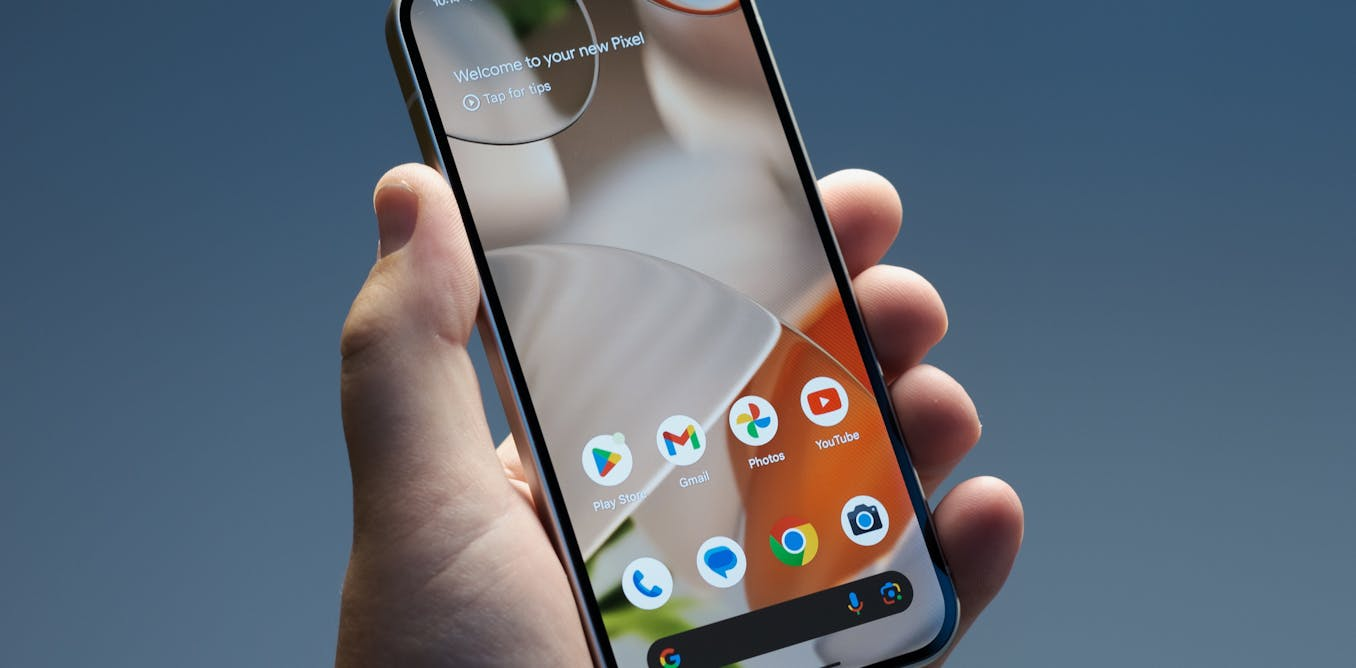
Recent smartphone launches, particularly the Google Pixel 9 and Samsung Galaxy S24, showcase the integration of artificial intelligence (AI) features directly into devices. This shift marks a significant change in how processing is handled, moving from cloud-based systems to edge computing. Edge computing allows for faster and more efficient AI processing on the device itself, enhancing user experience and functionality.
Key Features of the New Smartphones
- Google Pixel 9 introduces the Magic Editor, enabling users to transform photos using generative AI.
- Users can reposition subjects, erase unwanted backgrounds, or change skies with simple prompts.
- The Add Me feature allows for seamless group photos without needing a stranger’s help.
- Best Take combines the best elements from multiple similar images into one perfect shot.
- Specialized microprocessors, like Google’s Tensor Processing Units (TPUs), facilitate this advanced processing on mobile devices.
The Bigger Picture of AI in Smartphones
The move to edge-based AI processing represents a significant advancement in technology. By reducing reliance on cloud services, users gain more control and faster processing capabilities. This trend not only enhances the user experience but also opens doors for future innovations in mobile technology. As companies compete to integrate AI more deeply into smartphones, consumers can expect increasingly sophisticated features and improved performance in the years ahead.





