
Understanding AI’s Impact on Employment
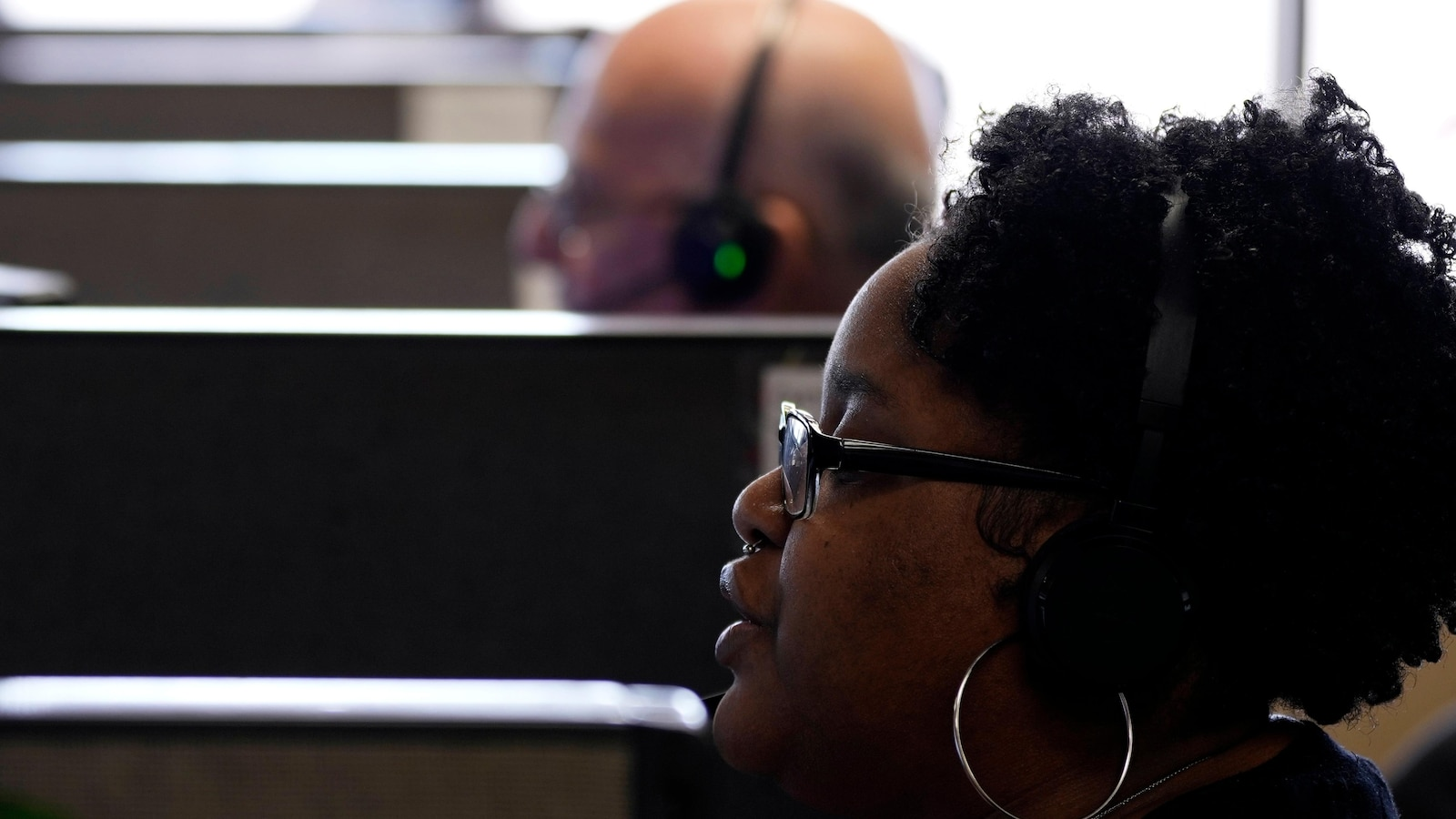
Artificial intelligence (AI) is transforming the workplace, particularly in customer service. Companies like Alorica are utilizing AI tools to improve efficiency without significantly reducing their workforce. Instead of replacing employees, AI is helping them perform better and faster. For instance, Alorica’s AI translation tool allows representatives to communicate with customers in multiple languages, making it unnecessary to hire multilingual staff. This shift suggests that AI may enhance productivity rather than lead to mass unemployment, as seen in past technological advancements.
Key Insights
- Alorica is hiring more staff while implementing AI, showing that automation can coexist with job creation.
- Historical evidence suggests that technological advancements often lead to new job types rather than widespread job loss.
- Studies indicate that AI tools can increase productivity by helping workers manage tasks more efficiently.
- Companies like IKEA have retrained employees instead of laying them off, allowing them to focus on more complex customer inquiries.
The Bigger Picture
The integration of AI in the workforce highlights a potential shift in job dynamics. While some roles may be at risk, the overall trend points toward increased efficiency and the creation of new job opportunities. As businesses adapt and evolve with AI, the labor market may see a transformation that fosters innovation and growth. Embracing AI could lead to a more skilled workforce, ultimately benefiting both employees and employers in the long run.





