
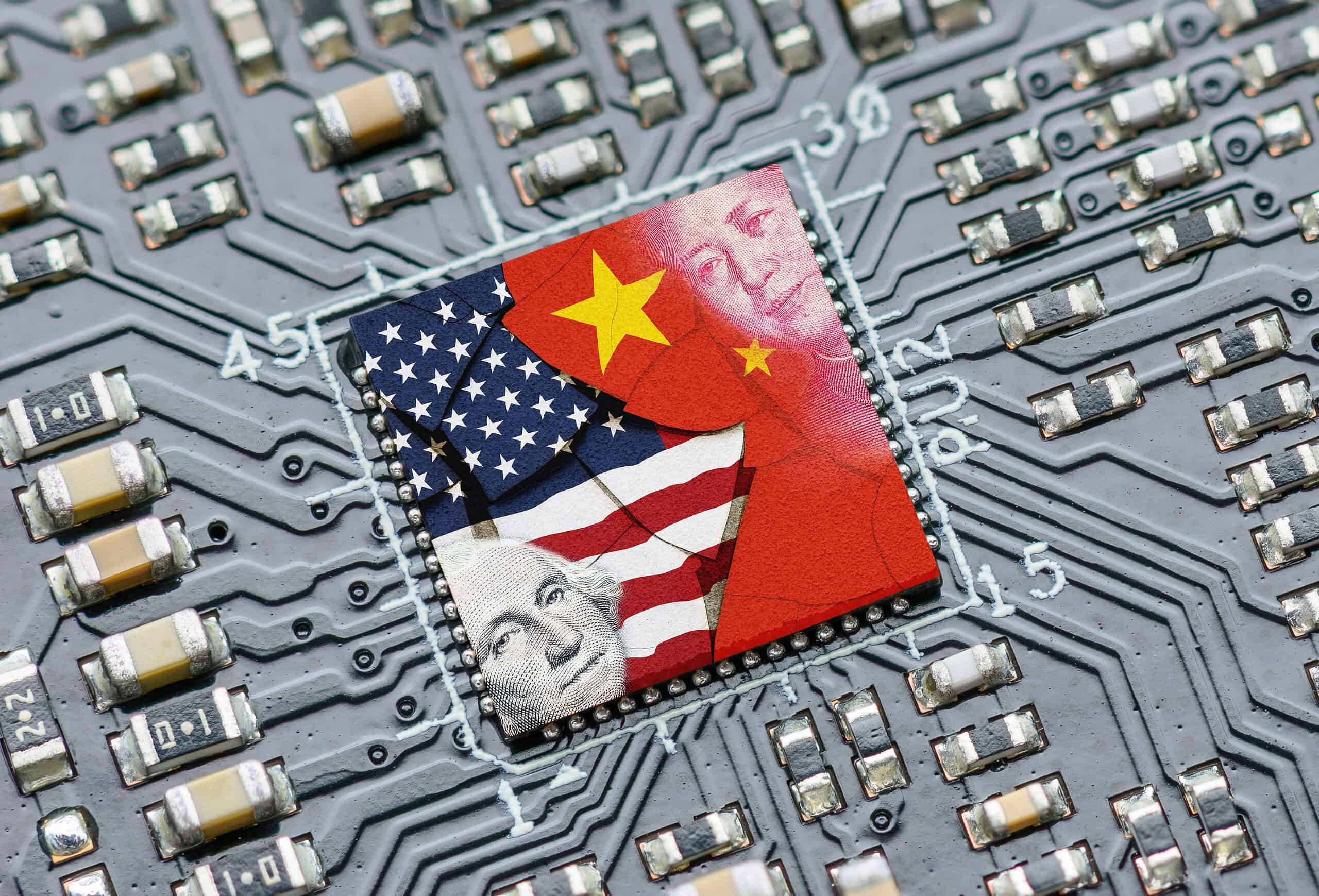
Understanding the Competition
The escalating rivalry between the United States and China in the field of artificial intelligence (AI) is more than a trade dispute; it represents a pivotal contest that could alter global power structures. Recent events, such as the Ukraine war and the launch of OpenAI’s ChatGPT, have highlighted AI’s potential impact on warfare and society. Both nations recognize the strategic importance of AI, with experts noting that it is a crucial technology for national security and economic ambitions.
Key Insights
- The US currently leads in generative AI, benefiting from a strong talent pool, infrastructure, and private sector investment.
- China has been rapidly increasing its AI patent filings, suggesting a potential shift in innovation leadership.
- The US government’s AI funding remains low compared to private sector spending, raising concerns about future competitiveness.
- China’s censorship and inefficiencies in technology integration may hinder its AI development despite heavy investment.
The Broader Picture
This AI race could reshape economic landscapes globally, akin to the impact of the space race in the past century. While competition exists, the outcomes may not be zero-sum; advancements in AI could boost global productivity and GDP significantly. However, there are concerns about unemployment and unequal access to AI benefits, especially in developing regions. The future may depend on how well each country can align public and private resources to harness AI’s full potential.





