Understanding the Shift in Education
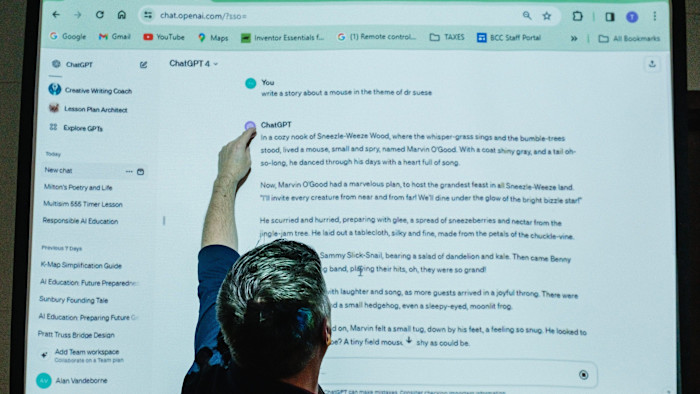
The emergence of AI tools like ChatGPT has transformed how educators approach teaching. Initially met with skepticism, schools are now adapting to integrate these technologies into their classrooms. Major AI companies are stepping in to provide resources that help teachers and students navigate this new landscape. Tools like Claude for Teachers by Anthropic and ChatGPT for Teachers by OpenAI are designed specifically for K-12 educators, while Google’s Gemini models target both teachers and students. These initiatives aim to enhance lesson planning and improve educational outcomes.
Key Highlights
- AI tools are becoming essential in education, with companies offering free resources to educators.
- OpenAI has partnered with several countries to customize AI tools for local educational needs.
- Concerns exist about AI reducing critical thinking skills among students, but companies advocate for a Socratic method using chatbots as tutors.
- Despite the potential benefits, many institutions have been slow to adopt AI, with significant portions of students reporting limited integration in their courses.
The Bigger Picture
The integration of AI in education is not just about enhancing learning; it represents a significant business opportunity for tech companies. With the global education market valued at $6 trillion, AI firms see a chance to shape future leaders. However, the slow adoption rate raises questions about the long-term viability of paid AI tools in a landscape where free alternatives exist. As universities and educators work to adapt, the balance between leveraging AI effectively and maintaining educational integrity remains critical.