Overview of the Initiative
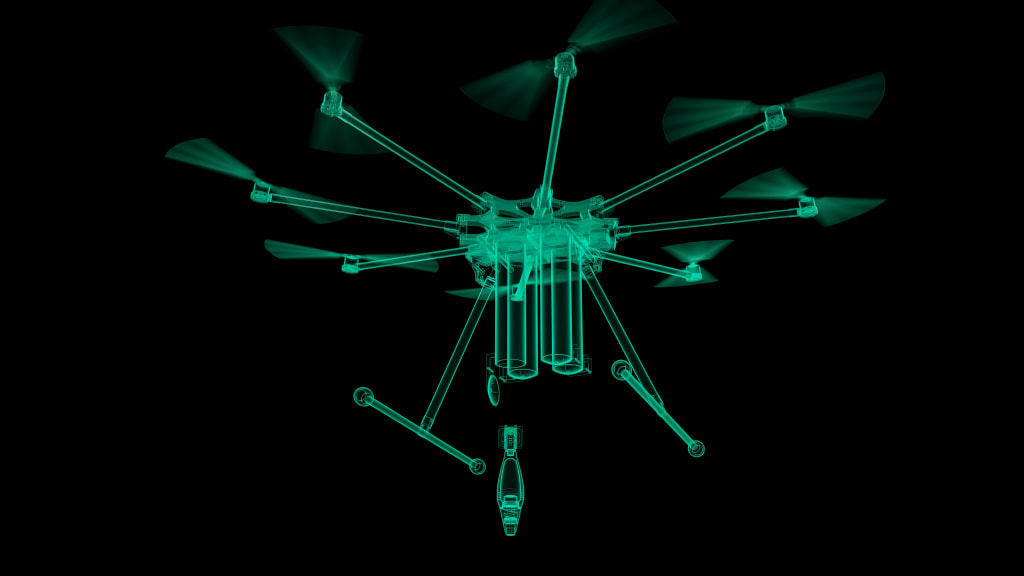
Recently, around 60 countries, including the United States, came together to endorse a new framework aimed at the responsible use of artificial intelligence (AI) in military contexts. This agreement, known as the Responsible AI in the Military Domain (REAIM) blueprint, was established during a summit in Seoul. This summit follows a previous meeting in The Hague, where nations, including China, had only made a less formal commitment. The current blueprint emphasizes actionable steps rather than general principles.
Key Details of the Blueprint
- The blueprint focuses on risk assessments and emphasizes the necessity of maintaining human oversight in military AI applications.
- It addresses the need to prevent the use of AI in the proliferation of weapons of mass destruction, particularly by terrorist organizations.
- The document also highlights the significance of human involvement in the deployment of nuclear weapons.
- The summit, co-hosted by several nations, aims to foster a collaborative environment for discussions on military AI, avoiding dominance by any single country.
Significance of the Blueprint
This initiative represents a critical step toward establishing global norms for military AI usage. The lack of support from China indicates ongoing tensions and differing perspectives on AI governance. The blueprint aims to create a framework for international cooperation, even if not all nations can agree. As discussions continue, the challenge will be to engage countries that are hesitant to participate fully. Addressing these complexities is essential for creating a safer global landscape regarding AI in military applications.