
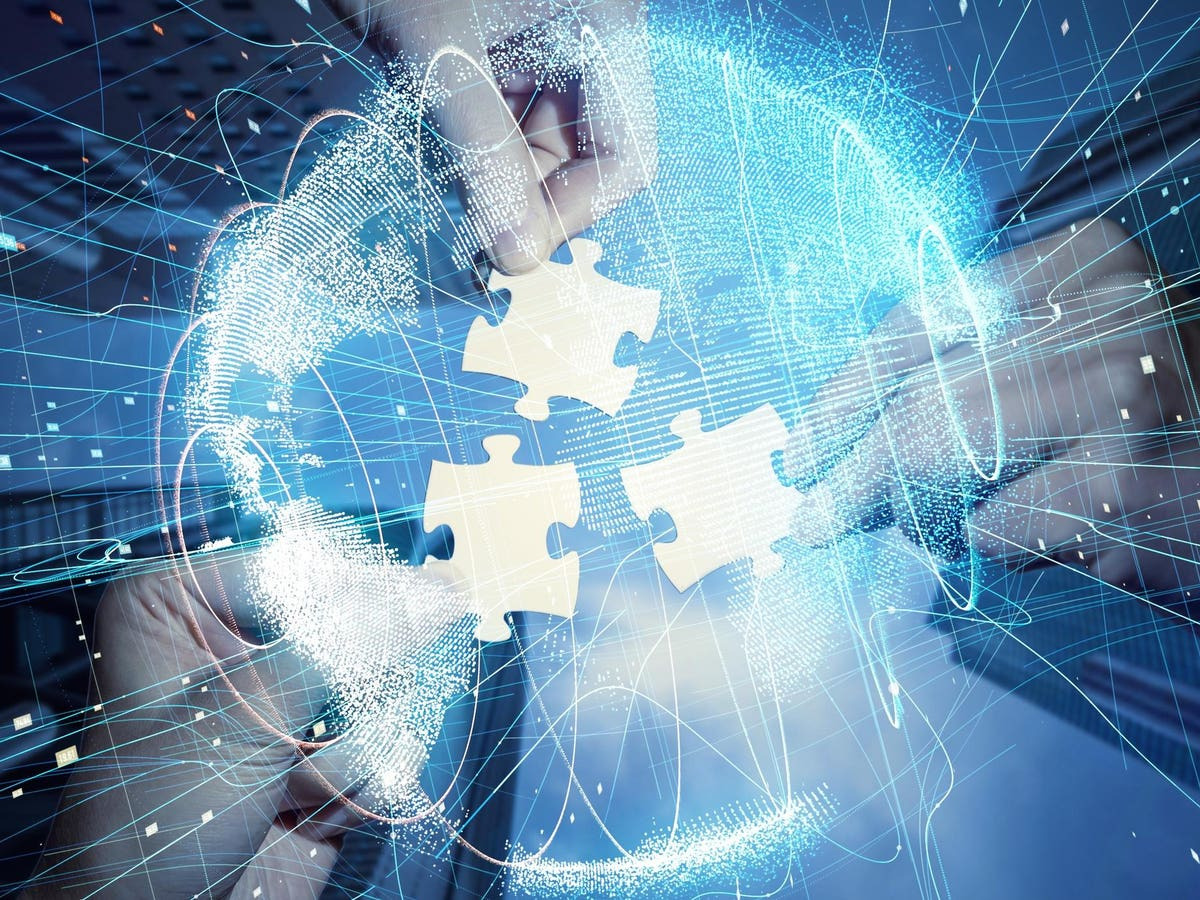
Understanding the Merging of Generative AI
Merging generative AI models is a growing trend aimed at combining different capabilities to create a more powerful and versatile AI. The process involves taking two or more generative AI systems, each with unique strengths and weaknesses, and integrating them to form a new model. For example, one model might excel at text generation while another performs better at mathematical problem-solving. The goal is to create a combined model that retains the strengths of each while minimizing their weaknesses, leading to a more efficient and user-friendly solution.
Key Points to Consider
- Merging can be faster and more cost-effective than building a new model from scratch.
- The process can be complex, with risks of creating a model that performs poorly or amplifies existing weaknesses.
- Open-source models are often preferred for merging to avoid proprietary issues.
- Different merging strategies exist, such as combining outputs externally or integrating internal components.
The Importance of Merging Generative AI
This merging trend is significant as it addresses the limitations of individual AI models, allowing for more comprehensive solutions. As AI technology continues to evolve, the ability to effectively merge models could lead to advancements that enhance the functionality and applicability of AI in various fields. However, careful consideration must be given to the potential pitfalls of merging, including performance issues and the preservation of individual model strengths. Ultimately, the future of AI may depend on how well these models can be integrated to create more capable systems.





