
Understanding Apple’s AI Push
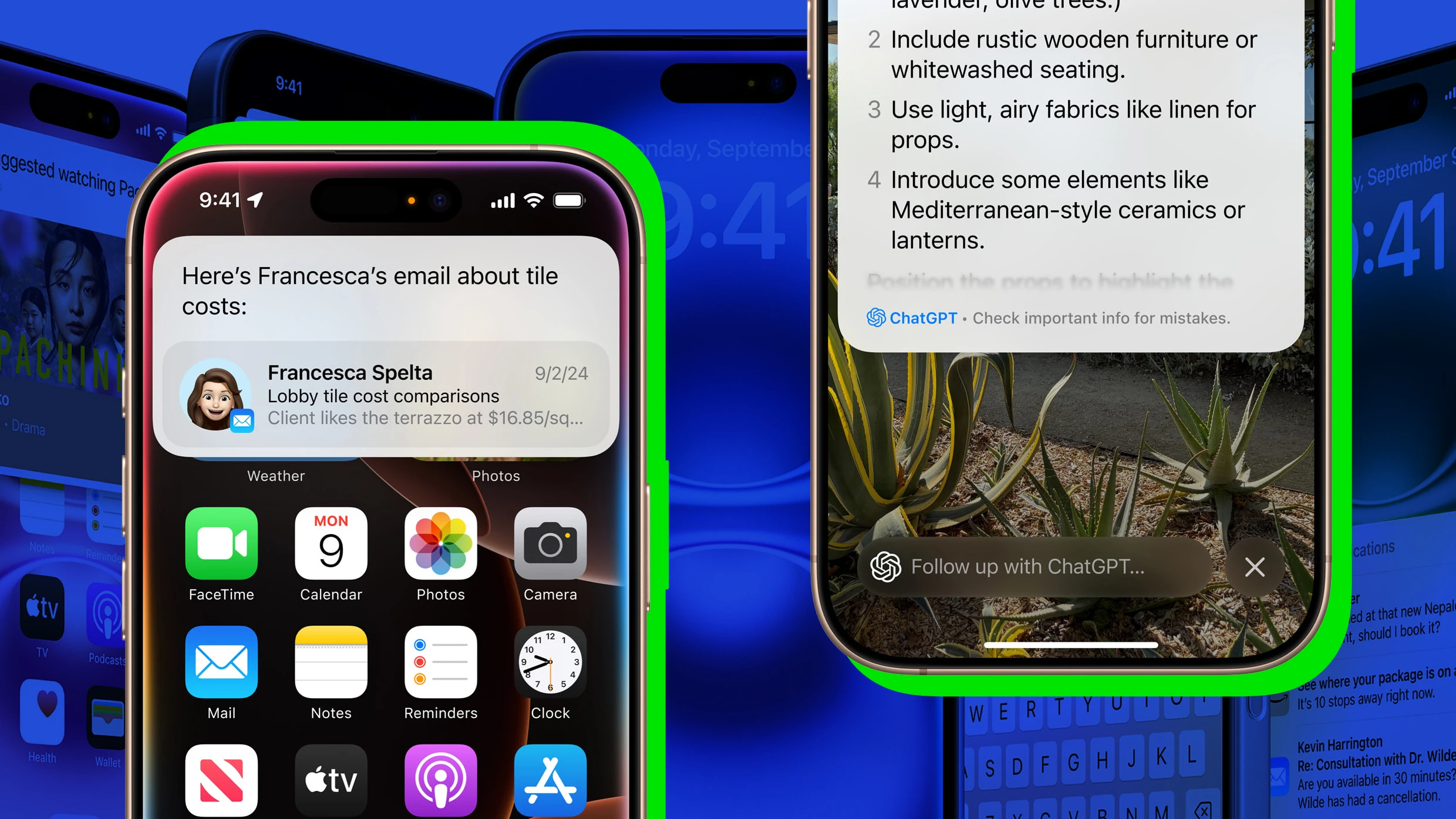
Apple’s recent iPhone event highlighted its commitment to integrating AI features into its devices. While the iPhone 16 is designed to support Apple Intelligence, many AI capabilities won’t be available until next year. Initial features include tools for text editing and audio transcription, but some seem unnecessary. However, certain features, like the enhanced hearing aid function in AirPods Pro 2, show real promise for users with hearing impairments. The vision for Apple Intelligence includes a smarter Siri that can access and analyze user data across apps, enhancing the user experience.
Key Features of Apple Intelligence
- New iPhones will receive AI updates through an app next month.
- Users can rewrite, proofread, and summarize text in various apps.
- AirPods Pro 2 will have a hearing aid feature that amplifies specific frequencies.
- Siri will improve by accessing user data to perform complex tasks, like finding a song sent in the past.
The Bigger Picture of AI Development
The advancements in Apple’s AI capabilities reflect a growing trend in technology aimed at personalization and accessibility. By prioritizing user privacy and data security, Apple sets itself apart from competitors. The ability to integrate AI in ways that genuinely assist users can lead to a more intuitive tech experience. Additionally, as AI technology evolves, regulations like California’s SB 1047 are crucial to ensure safety and responsibility in AI development. The support from AI workers for this legislation indicates a shift towards accountability in the tech industry, emphasizing the importance of ethical practices in AI advancement.





