Understanding the Landscape
The discussion centers on the dual role of AI in enhancing and hindering the lives of people with disabilities. While AI can offer tools that promote independence and accessibility, it also carries risks of bias and misrepresentation. The conversation was sparked by a controversy surrounding NaNoWriMo’s acceptance of AI in creative writing, which led to debates on the implications for disabled artists. The need for a nuanced view of AI as both a potential aid and a source of challenges is crucial.
Key Insights
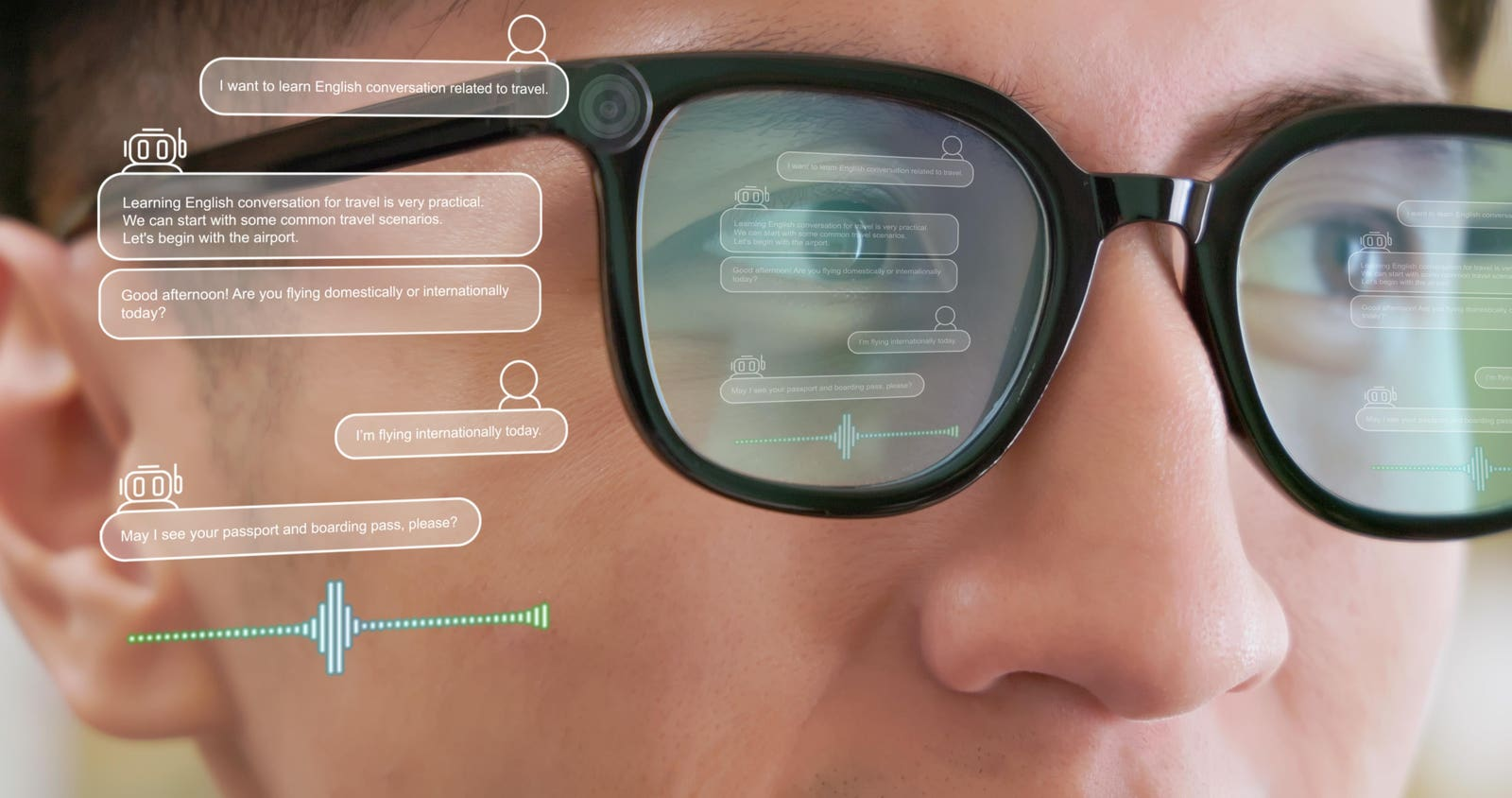
- AI can assist those with neurological and communication challenges by summarizing texts and providing speech-to-text services.
- For individuals with visual impairments, AI can enhance accessibility through better image descriptions and improved screen reader functionalities.
- AI-powered prosthetics can learn human movement patterns, offering better mobility and control for users.
- However, AI can perpetuate biases, leading to the erasure of disabled voices and experiences in cultural representations.
The Broader Implications
This topic is significant as it highlights the need for careful consideration of AI’s impact on marginalized communities. The potential benefits of AI must be balanced with the risks of discrimination and inaccessibility. Ensuring that people with disabilities have a voice in the development of AI technologies is essential for fostering inclusivity and equity. As society continues to integrate AI into various aspects of life, addressing these concerns will be vital for creating a more accessible future for everyone.